Product Overview
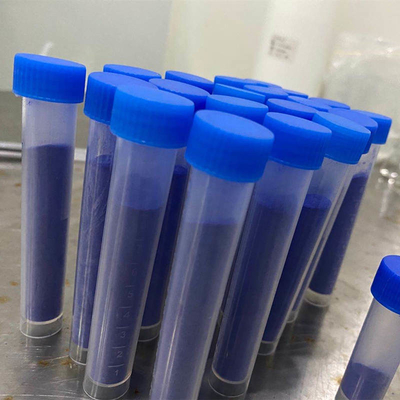
GHK-Cu (Copper Tripeptide-1) is a small peptide complex formed by the naturally occurring tripeptide GHK and a copper ion. It was first identified in human plasma and later found in saliva and urine. Because of its interaction with copper, this peptide displays a distinctive blue appearance when purified as a powder.
In research environments, GHK-Cu is widely studied for its potential biological activity in skin physiology, tissue remodeling, and cellular signaling. Over the past decades, the peptide has attracted attention in fields related to dermatology research, cosmetic ingredient development, and biomolecular studies.
The material supplied here is a high-purity GHK-Cu peptide powder produced under controlled laboratory conditions. Each batch is tested by HPLC to verify purity and stability. The powder form allows flexible preparation for different experimental protocols, making it convenient for laboratories, research institutions, and formulation testing teams.
Due to its stability and relatively small molecular structure, GHK-Cu has become one of the most frequently discussed copper peptides in modern peptide research.

Functional Characteristics
Copper Binding Peptide Structure
GHK-Cu is formed by the tripeptide Glycyl-L-Histidyl-L-Lysine binding with a copper ion. This structure allows the peptide to participate in biological processes related to copper transport and peptide signaling. Researchers often study this interaction when exploring cellular responses and biochemical pathways.
Stability in Peptide Research
Compared with many larger peptide molecules, GHK-Cu is relatively stable when stored under proper conditions. In laboratory work it can be dissolved and incorporated into experimental systems where peptide activity and cellular response are evaluated.
Widely Studied in Skin-Related Research
Many scientific publications focus on the relationship between GHK-Cu and skin physiology. Researchers frequently investigate its role in extracellular matrix regulation, collagen-related pathways, and tissue regeneration processes. Because of this, the peptide is often used during cosmetic formulation screening and dermatological laboratory studies.
Distinctive Blue Peptide Powder
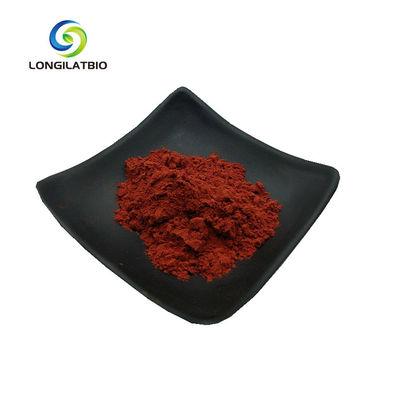
One characteristic feature of copper peptides is their blue color. The blue appearance of GHK-Cu powder results from the copper ion bound to the peptide structure. This feature helps researchers visually distinguish the compound from many other peptides during handling and preparation.
Application Scenarios
GHK-Cu is primarily used as a research material in various scientific and formulation environments.
Cosmetic Ingredient Research
Laboratories involved in cosmetic product development often study copper peptides as potential active ingredients in skin care formulations. GHK-Cu is frequently evaluated in serum, cream, or topical solution prototypes.
Peptide Biochemistry Studies
Researchers investigating peptide-metal interactions sometimes use GHK-Cu as a model compound. Its well-known structure makes it suitable for studying copper transport and peptide binding mechanisms.
Cell Culture and Tissue Research
In controlled laboratory settings, the peptide may be introduced into cell culture experiments to observe biological responses and signaling pathways related to peptide activity.
Academic Research Projects
Universities and research institutes frequently include GHK-Cu in peptide-based experimental designs, particularly in studies related to dermatology, regenerative biology, and cosmetic science.
Packaging and Handling
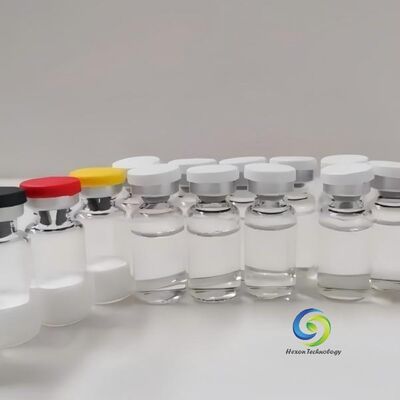
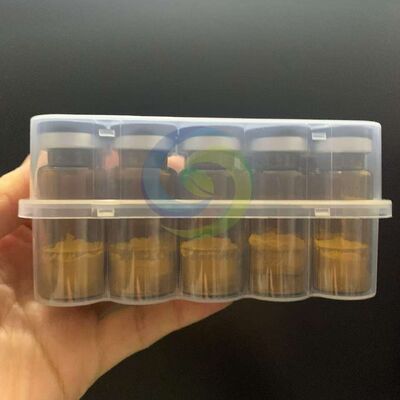
GHK-Cu peptide powder is typically supplied in sealed vials to maintain stability during transportation and storage. Each vial is carefully packed to minimize moisture exposure and protect the material during shipping.
For long-term storage, the product should be kept sealed and placed in a cool environment away from heat and light. Refrigerated storage is commonly recommended to maintain peptide stability.
| Parameter |
Specification |
| Product Name |
GHK-Cu |
| CAS Number |
9030-95-5 |
| Appearance |
Blue Powder |
| Purity |
≥99% |
| Specification |
100 mg / vial |
| Test Method |
HPLC |
| Application |
Research Use Only |
| Storage |
Store at 4°C in sealed container |
| Package |
10 Vials / Kit |
| Origin |
China |


 Your message must be between 20-3,000 characters!