Product Introduction
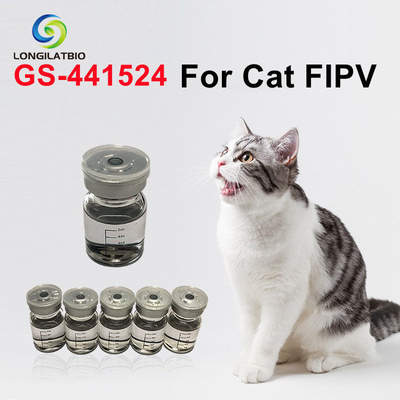
GS-441524 is a nucleoside analog compound that has been widely referenced in veterinary antiviral research related to feline infectious peritonitis (FIP). In many veterinary management programs, injectable GS-441524 formulations are used as part of structured treatment approaches for cats diagnosed with this condition.
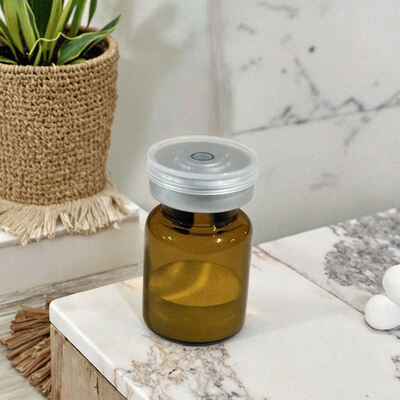
This product contains 20mg/ml GS-441524 and is supplied in a 10ml sterile vial, allowing convenient dosage calculation based on the animal’s body weight. The injectable formulation is commonly selected in veterinary settings because it provides reliable absorption and allows consistent dosing during long treatment cycles.
Manufactured in China, each vial is sealed and labeled for identification, helping ensure product traceability and safe storage during transportation and distribution.
Product Specifications
| Item |
Details |
| Product Name |
GS-441524 Injection |
| CAS Number |
1191237-69-0 |
| Concentration |
20mg/ml |
| Dosage Form |
Injectable Solution |
| Vial Volume |
10ml per vial |
| Storage Condition |
Room Temperature |
| Shelf Life |
12 Months from Manufacturing Date |
| Country of Manufacture |
China |
| Intended Use |
Treatment for Cat FIP |
Each batch is labeled with manufacturing information and expiration date for tracking and quality management.

Application Background
Feline infectious peritonitis (FIP) is a viral disease that occurs when feline coronavirus mutates within the cat’s body. While many cats carry feline coronavirus without serious symptoms, certain mutations can lead to systemic infection affecting multiple organs.
Veterinary professionals generally recognize several forms of FIP:
Wet (Effusive) FIP
This form is often associated with fluid accumulation in body cavities such as the abdomen or chest.
Dry (Non-effusive) FIP
This type may affect organs including the liver, kidneys, or lymph nodes without significant fluid buildup.
Ocular FIP
Eye inflammation or visual complications may appear in some cases.
Neurological FIP
When the nervous system becomes involved, symptoms may include coordination problems or neurological abnormalities.
Different clinical forms may require different treatment plans and dosage adjustments.
Reference Dosage Guidelines
GS-441524 dosage is generally calculated according to body weight. Veterinary supervision is recommended to determine the appropriate treatment protocol.
| Condition |
Reference Dosage |
| Wet FIP |
0.3 ml per kg body weight + 0.1 ml residue |
| Dry FIP |
0.4 ml per kg body weight + 0.1 ml residue |
| Eye / Nerve Involvement |
0.5 ml per kg body weight + 0.1 ml residue |
| Recurrence Cases |
0.6 ml per kg body weight + 0.1 ml residue |
Regular monitoring of the cat’s weight is recommended so dosage can be adjusted throughout the treatment period if necessary.
Product Highlights
The 20mg/ml 10ml GS-441524 injection offers practical advantages for veterinary use and distribution.
Key features include:
-
Standard 20mg/ml concentration suitable for commonly referenced FIP protocols
-
10ml vial size appropriate for longer treatment cycles
-
Injectable formulation for systemic administration
-
Clearly labeled packaging for batch identification
-
Storage at room temperature simplifies handling and logistics
These characteristics make the product suitable for veterinary clinics, animal hospitals, and feline care organizations.
Storage and Handling
Proper storage helps maintain product stability and effectiveness.
Recommended conditions include:
-
Store at room temperature in a dry environment
-
Avoid exposure to excessive heat or direct sunlight
-
Keep the vial sealed when not in use
-
Use sterile techniques during administration
Under recommended storage conditions, the product maintains stability for up to 12 months from the manufacturing date.
Packaging and Supply
The 10ml vial format is often selected for treatment programs requiring larger volumes or longer dosing schedules. Secure packaging helps protect the product during transportation.
The product is commonly supplied to:
Export packaging can be arranged for international distribution.
Important Notice
This product is intended for veterinary use only.
Treatment plans and dosage decisions should be determined by qualified veterinary professionals according to the cat’s clinical condition and local regulations.


 Your message must be between 20-3,000 characters!