Product Introduction
GS-441524 is a nucleoside analogue compound widely discussed in veterinary antiviral research related to feline infectious peritonitis (FIP). In recent years, this compound has become an important reference in many treatment discussions because it targets viral replication within infected cells.
FIP develops when feline coronavirus mutates and spreads systemically in a cat’s body. Once the virus begins to affect internal organs, it can lead to severe inflammation and organ damage. The disease may appear in several clinical forms, including effusive (wet) FIP, non-effusive (dry) FIP, ocular FIP, and neurological FIP.
GS-441524 works by inhibiting the replication process of viral RNA. By slowing down the reproduction of the virus inside infected cells, the compound helps reduce viral load and supports the immune system as it attempts to control the infection.
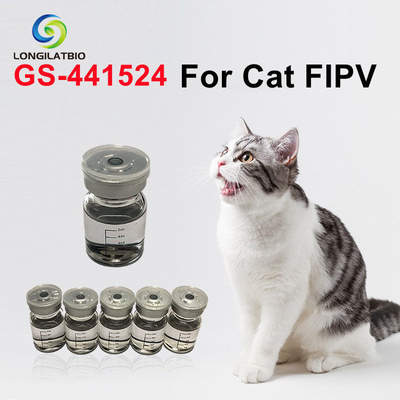
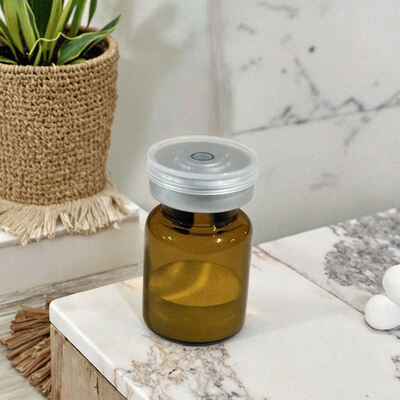
This product contains 30mg/ml GS-441524 in a 6ml sterile vial, providing a higher concentration option that allows smaller injection volumes during administration. The formulation is produced under laboratory conditions and packaged in sealed vials to maintain stability during storage and transportation.
For veterinary clinics, animal rescue groups, and cat caregivers managing FIP cases, higher-concentration formulations can make dosage administration more convenient, especially for cats requiring long-term antiviral treatment.
Product Specifications
| Parameter |
Details |
| Product Name |
GS-441524 Injection |
| CAS Number |
1191237-69-0 |
| Concentration |
30mg/ml |
| Dosage Form |
Injectable Solution |
| Vial Volume |
6ml / vial |
| Function |
Treatment for Cat FIP |
| Shelf Life |
1 year from manufacturing date |
| Storage Condition |
Room temperature |
| Country of Manufacture |
China |
Each vial is labeled with manufacturing information and expiration date to support quality control and traceability during distribution.
Background: Feline Infectious Peritonitis (FIP)
FIP is considered one of the most serious viral diseases affecting domestic cats. It originates from feline coronavirus, which is commonly present in many cats but usually causes only mild digestive symptoms. However, when the virus mutates inside the body, it can trigger a systemic infection.
Veterinarians generally categorize FIP into several forms:
Wet (Effusive) FIP
This form is characterized by fluid accumulation in body cavities, often visible as abdominal swelling or breathing difficulty if fluid collects in the chest.
Dry (Non-effusive) FIP
Dry FIP may involve granulomatous lesions in organs such as the liver, kidneys, or lymph nodes without obvious fluid buildup.
Ocular FIP
Eye inflammation, discoloration of the iris, or vision problems may occur in some cases.
Neurological FIP
When the virus affects the central nervous system, symptoms may include poor coordination, tremors, or behavioral changes.
Different forms may require adjustments in antiviral dosage and monitoring throughout treatment.
Reference Dosage Guidelines
GS-441524 dosage is generally calculated based on the cat’s body weight and clinical condition. The following values are commonly used as reference guidelines.
| FIP Type |
Recommended Dosage |
| Wet FIP |
0.3 ml × body weight (kg) + 0.1 ml residue |
| Dry FIP |
0.4 ml × body weight (kg) + 0.1 ml residue |
| Eye / Neurological FIP |
0.5 ml × body weight (kg) + 0.1 ml residue |
| Recurrence Cases |
0.6 ml × body weight (kg) + 0.1 ml residue |
Veterinary supervision is recommended to determine treatment duration and dosage adjustments during therapy.

Product Advantages
Higher Concentration Formulation
The 30mg/ml concentration allows smaller injection volumes compared with lower-strength formulations. This may help simplify dosing for cats requiring larger antiviral doses.
Injectable Delivery Method
The injectable form provides a direct route of administration, allowing the compound to enter systemic circulation efficiently. This approach is often used during early treatment stages when viral replication needs to be controlled quickly.
Consistent Manufacturing Process
Each batch is produced under controlled laboratory conditions to maintain consistent concentration and solution stability. Batch labeling helps track manufacturing information and expiration dates.
Practical Vial Size
The 6ml vial format offers flexibility for treatment planning. It can be used in combination with other vial sizes depending on the duration of the treatment program and the cat’s weight.
Suitable for Multiple Care Settings
The product may be used in veterinary clinics, animal hospitals, cat rescue centers, and breeding facilities where FIP management is required.
Typical Application Scenarios
Veterinary Hospitals
Veterinary professionals often monitor FIP treatment closely, including regular blood tests and clinical observation. Injectable GS-441524 may be incorporated into structured treatment plans.
Animal Rescue Organizations
Rescue groups frequently care for young or abandoned cats that may develop FIP. Access to antiviral treatment can improve management options for these animals.
Breeding Facilities
Professional breeders managing multiple cats in shared environments may use antiviral protocols when FIP cases appear within the population.
Individual Cat Owners
Some cat owners administer injections at home under veterinary guidance when their cats are undergoing FIP treatment.
Storage and Handling
To ensure product stability, the following storage conditions are recommended:
-
Store the vial at room temperature in a dry environment
-
Avoid prolonged exposure to strong light or excessive heat
-
Keep the vial sealed when not in use
-
Use sterile syringes for each injection
Under appropriate storage conditions, the product maintains stability for up to one year from the manufacturing date.
Packaging Information
This product is supplied in 6ml sterile vials containing 30mg/ml GS-441524 injectable solution. Secure packaging is used to protect the vials during transportation and international shipment.
Typical supply channels include:
Important Notice
This product is intended for veterinary use.
Dosage decisions and treatment protocols should always be determined based on the cat’s health condition and professional veterinary advice.


 Your message must be between 20-3,000 characters!