Product Introduction
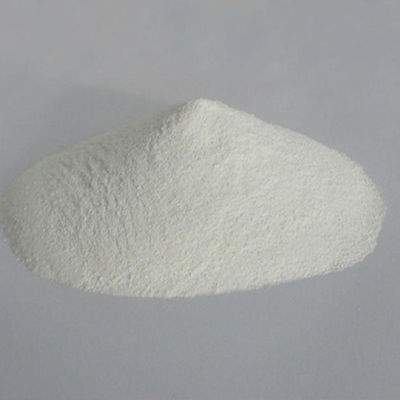
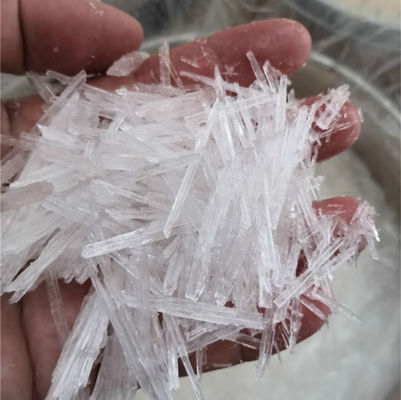
GS-441524 is a nucleoside analog compound that has been widely discussed in veterinary antiviral research, particularly in relation to the treatment and management of feline infectious peritonitis (FIP). Over the past several years, this compound has become one of the most frequently referenced antiviral agents used in treatment protocols for cats affected by this disease.
FIP develops when feline coronavirus mutates inside the cat’s body and begins to spread systemically. Once this mutation occurs, the virus may infect immune cells and move through different organs, triggering strong inflammatory responses. The disease can affect the abdomen, chest cavity, nervous system, and eyes, depending on the form of infection.
GS-441524 works by inhibiting viral RNA replication. After administration, the compound is metabolized into its active form and interferes with the virus’s ability to reproduce within infected cells. By limiting viral replication, the treatment helps reduce viral load and supports the immune system as it works to control the infection.
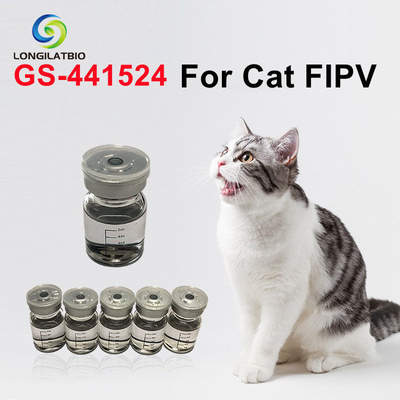
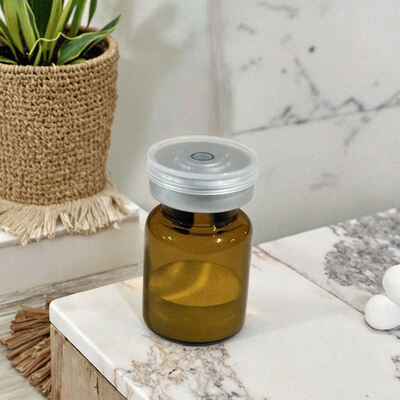
This product contains 30mg/ml GS-441524 in an 8ml sterile vial, providing a higher-concentration injectable solution that allows accurate dosage calculation based on body weight. The formulation is produced in China under controlled laboratory conditions and packaged in sealed vials designed to maintain stability during storage and transportation.
The 8ml vial format offers a practical balance between treatment supply and flexibility, making it suitable for veterinary clinics, animal rescue groups, breeders, and cat caregivers managing FIP treatment programs.
Product Specifications
| Parameter |
Details |
| Product Name |
GS-441524 Injection |
| CAS Number |
1191237-69-0 |
| Concentration |
30mg/ml |
| Dosage Form |
Injectable Solution |
| Vial Volume |
8ml / vial |
| Function |
Treatment for Cat FIP |
| Shelf Life |
1 year from date of manufacture |
| Storage Condition |
Room temperature |
| Country of Manufacture |
China |
Each vial includes batch identification and expiration information to support traceability and quality management during distribution.

About Feline Infectious Peritonitis
Feline infectious peritonitis is considered one of the most serious viral diseases affecting domestic cats. The disease originates from feline coronavirus (FCoV), a virus that is common in multi-cat environments such as shelters and catteries.
In most cases, feline coronavirus causes only mild digestive symptoms. However, when the virus mutates, it gains the ability to infect immune cells and spread throughout the body. This mutated form can trigger widespread inflammation and organ damage.
Veterinary medicine typically recognizes several types of FIP.
Wet (Effusive) FIP
Wet FIP is characterized by fluid accumulation in body cavities such as the abdomen or chest. Cats may show symptoms including abdominal swelling, loss of appetite, and breathing difficulty.
Dry (Non-Effusive) FIP
Dry FIP usually does not involve fluid accumulation. Instead, inflammatory lesions may appear in organs such as the liver, kidneys, lymph nodes, or intestines.
Ocular FIP
Some cats develop inflammation within the eye. Symptoms may include iris color changes, eye redness, or impaired vision.
Neurological FIP
When the virus affects the central nervous system, neurological symptoms such as tremors, coordination problems, or behavioral changes may occur.
Different forms of FIP may require different treatment strategies and dosage adjustments.
Reference Dosage Guidelines
The dosage of GS-441524 is generally calculated according to the cat’s body weight and the type of FIP being treated. The following guidelines are commonly used as reference ranges.
| FIP Type |
Recommended Dosage |
| Wet FIP |
0.3 ml × body weight (kg) + 0.1 ml residue |
| Dry FIP |
0.4 ml × body weight (kg) + 0.1 ml residue |
| Eye / Neurological FIP |
0.5 ml × body weight (kg) + 0.1 ml residue |
| Recurrence Cases |
0.6 ml × body weight (kg) + 0.1 ml residue |
Regular weight monitoring during treatment helps ensure that the dosage remains appropriate throughout the therapy period.
Product Advantages
Higher Concentration for Reduced Injection Volume
With a concentration of 30mg/ml, the solution allows caregivers to administer the required antiviral dose using a smaller injection volume. This can improve convenience during daily treatment routines.
Injectable Formulation
The injectable form allows GS-441524 to enter the bloodstream directly, which supports reliable absorption and distribution throughout the body.
Practical 8ml Packaging
The 8ml vial size offers a balance between smaller and larger vial formats. It is suitable for cats undergoing medium-length treatment cycles.
Consistent Manufacturing Standards
The product is manufactured under controlled laboratory conditions to maintain stable concentration and reliable solution quality between batches.
Flexible Use in Veterinary Settings
The formulation can be used in a range of care environments, including veterinary clinics, animal hospitals, rescue centers, and professional breeding facilities.
Typical Application Scenarios
Veterinary Clinics
Veterinarians may use GS-441524 as part of antiviral treatment programs for cats diagnosed with FIP. Treatment often includes regular monitoring and laboratory testing.
Animal Rescue Groups
Rescue organizations frequently care for young or abandoned cats that may develop FIP. Access to antiviral treatment options can help improve care possibilities for these animals.
Cat Breeding Facilities
Catteries housing multiple cats sometimes face challenges related to infectious disease management. Veterinary supervision and antiviral therapy may help control outbreaks.
Individual Cat Owners
Some cat owners administer injections themselves during the treatment process, typically following veterinary guidance or structured treatment protocols.
Storage and Handling
Proper storage helps maintain the stability of the injectable solution.
Recommended storage practices include:
-
Store the vial at room temperature in a dry location
-
Avoid prolonged exposure to direct sunlight or high heat
-
Keep the vial sealed when not in use
-
Use sterile syringes during injection procedures
Under appropriate conditions, the product remains stable for up to 12 months from the manufacturing date.
Packaging and Distribution
This product is supplied as 30mg/ml GS-441524 injectable solution in 8ml sterile vials. Protective packaging is used to ensure safe transportation during domestic and international shipping.
Common supply channels include:
Notice
This product is intended for veterinary use. Treatment plans, dosage adjustments, and monitoring should be determined based on the cat’s medical condition and veterinary guidance.


 Your message must be between 20-3,000 characters!