Product Introduction
GHK-Cu, also called Copper Tripeptide-1, is a small peptide complex composed of three amino acids—glycine, histidine, and lysine—combined with a copper ion. This structure forms a stable peptide-metal complex that has been widely studied in biochemical and cosmetic ingredient research. The compound was originally identified in human plasma and later detected in several biological tissues, which attracted scientific interest in its molecular properties and biological interactions.
In laboratory environments, peptides with simple and well-defined structures are often selected for experimental studies. GHK-Cu belongs to this category because its tripeptide configuration is relatively small and chemically stable. These characteristics allow the compound to be used in different research systems where scientists evaluate peptide behavior, metal binding, and molecular activity.
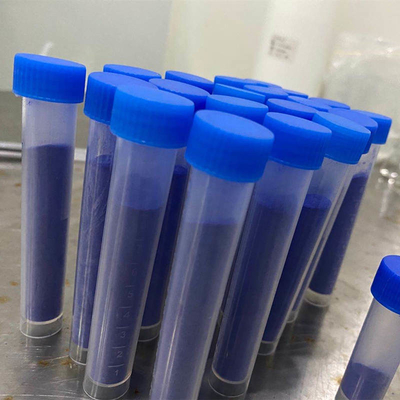
GHK-Cu peptide powder is usually prepared through modern peptide synthesis technology followed by purification procedures to remove impurities. Analytical testing such as HPLC-UV is commonly used to confirm purity and ensure consistent product quality. The purified peptide is obtained as a blue powder, which is a visual characteristic caused by the copper ion bound within the peptide complex.
Because of its molecular stability and compatibility with aqueous systems, GHK-Cu has become a commonly referenced material in peptide studies and cosmetic ingredient research. Scientists often include it in laboratory experiments when examining peptide activity, protein interactions, or formulation compatibility with peptide-based ingredients.

Characteristics and Functional Advantages
One of the most notable characteristics of GHK-Cu is its ability to coordinate copper ions effectively. Copper is a trace element involved in many biological reactions, particularly those related to enzymes and cellular processes. When the GHK peptide binds to copper, it forms a complex that can be studied to understand how peptides interact with metal ions under controlled laboratory conditions.
Another advantage of GHK-Cu is its relatively small molecular size. Short peptides tend to dissolve easily in aqueous solvents, which makes them convenient to use in experimental systems. Researchers can prepare solutions with different concentrations depending on the requirements of their research protocols.
Structural stability is also an important feature of this peptide. Compared with large proteins or more complex biomolecules, tripeptides are generally less sensitive to environmental changes when properly stored. This property allows GHK-Cu peptide powder to maintain its integrity during transportation, storage, and routine laboratory use.
Researchers are also interested in peptides that interact with components of the extracellular matrix. In some experimental models, GHK-Cu has been included in studies investigating peptide influence on cellular environments. These studies contribute to the broader understanding of peptide functions and their potential role in cosmetic science and biochemical research.
Research Applications
GHK-Cu peptide powder is commonly used in several scientific fields. One of the primary areas is dermatological and skin biology research. In these studies, laboratories examine how peptide molecules interact with skin cells, structural proteins, or signaling pathways under controlled conditions.
Another application area is cosmetic ingredient research and formulation testing. During the early stages of product development, peptide materials such as GHK-Cu may be evaluated in laboratory formulations including aqueous solutions, gels, or serum-type systems.
Researchers can study stability, ingredient compatibility, and formulation performance before moving to further development stages.
In peptide chemistry research, GHK-Cu is often used as an example of a peptide capable of forming a stable metal complex. Scientists studying peptide-metal interactions may analyze how copper binds with amino acid residues and how this affects the overall molecular behavior.
The compound is also useful for analytical research and quality testing. Laboratories involved in peptide manufacturing sometimes use well-known peptides such as GHK-Cu as reference materials when developing purification techniques or chromatographic testing methods. Because the structure and properties of the peptide are well documented, it provides a reliable material for experimental comparison.
Product Specifications
| Item |
Description |
| Product Name |
GHK-Cu (Copper Tripeptide-1) |
| CAS Number |
9030-95-5 |
| Purity |
≥99% |
| Appearance |
Blue Powder |
| State |
Solid |
| Test Method |
HPLC-UV |
| Package |
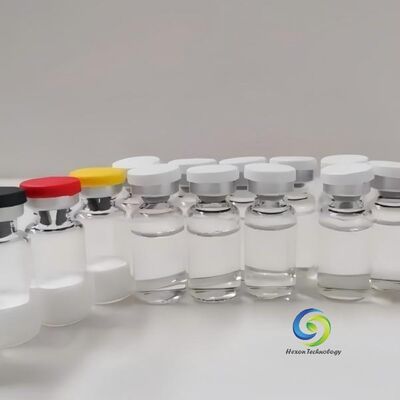
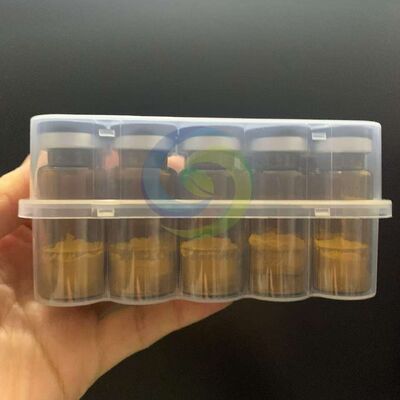
100 mg per vial, 10 vials per kit |
| Application |
For Research Use Only |
| Storage |
Keep sealed at 4°C, protected from light and moisture |
| Shelf Life |
Retest date: 2 years under recommended storage conditions |
Storage and Handling
To preserve the stability of the peptide, GHK-Cu should be stored in a cool and dry environment. Refrigerated storage at approximately 4°C is recommended for long-term preservation. The container should remain tightly sealed to prevent exposure to moisture, oxygen, and light, which may gradually affect peptide quality.
During laboratory use, the powder can be dissolved in sterile water or other suitable solvents according to experimental requirements. Proper laboratory procedures, including accurate measurement and clean handling conditions, should always be followed to maintain sample integrity and ensure reproducible research results.
Conclusion
GHK-Cu is a well-known copper-binding tripeptide that has become an important material in peptide chemistry and cosmetic research. Its stable molecular structure, ability to form a copper complex, and high purity level make it suitable for various laboratory studies. The peptide is frequently used in experiments related to skin biology, peptide-metal interactions, and formulation development. When stored and handled under recommended conditions, GHK-Cu peptide powder provides reliable research material for scientific investigation and analytical applications.


 Your message must be between 20-3,000 characters!