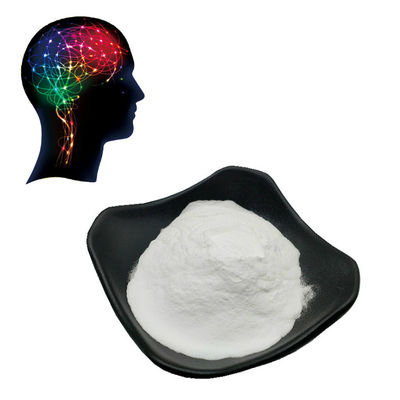
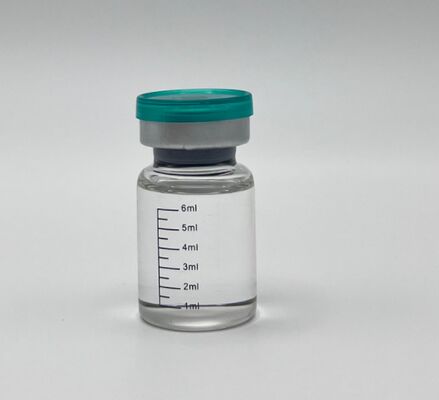
Product Description:
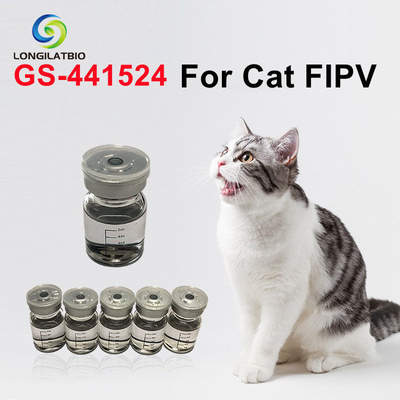
| Product Name |
GS-441524 |
| Expiry Date |
1 Year From The Date Of Manufacture |
| Storage Condition |
Room Temperature |
| CAS Number |
1191237-69-0 |
| Core Function |
Treatment For Cat FIP |
| Dosage Form |
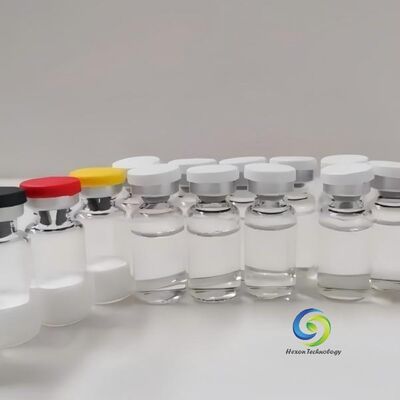
Injection |
| Country of Manufacture |
China |
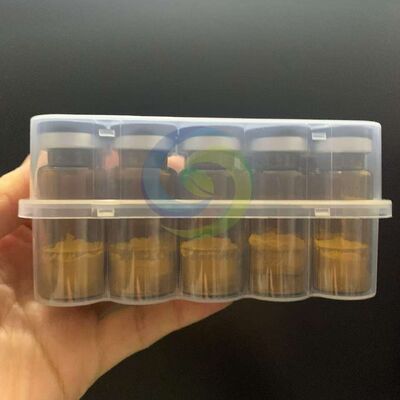
| Packaging Specs |
6ml/vial, 8ml/vial, 10ml/vial |
| Active Strength |
20mg, 30mg |
GS-441524 is a nucleoside analog compound with targeted antiviral activity, which exerts its pharmacological effect by acting on the RNA-dependent RNA polymerase of feline coronavirus (FCoV), the pathogen of feline infectious peritonitis (FIP). As a competitive alternative substrate and RNA chain terminator for this viral enzyme, GS-441524 inserts itself into the viral RNA replication chain during the FCoV replication process, effectively terminating the continuous extension of the viral RNA chain and thus inhibiting the replication and proliferation of the virus in cat cells.
As the primary active metabolite of remdesivir, an antiviral promedication, GS-441524 has a stable pharmacokinetic characteristic with a 24-hour half-life in the mammalian body, which provides a stable medication concentration basis for its sustained antiviral effect in cats. In preclinical and practical application studies, GS-441524 has been confirmed to have significant inhibitory effects on various FCoV strains that induce FIP, and can block the spread of the virus in the cat's body by inhibiting viral replication, thereby giving the cat's immune system sufficient time to initiate a targeted immune response and clear the virus in the body.
About Cat FIP:
FIP is a severe, systemic viral infectious disease unique to domestic cats, caused by the mutation of pathogenic strains of feline coronavirus (FCoV). FCoV is widely prevalent in cat populations, and most infected cats only show mild intestinal symptoms or no obvious clinical signs, and the body can resist the virus through its own immune system. However, when the cat's immune function is defective or suppressed due to stress, young age, or other diseases, FCoV will mutate in the body, and the mutated virus will invade the cat's mononuclear phagocyte system, leading to the occurrence of FIP.
FCoV is mainly transmitted through the fecal-oral route, and the transmission risk is significantly higher in dense multi-cat environments such as cat shelters, breeding catteries, and multi-cat families. Clinically, FIP is divided into two main types: effusive (wet) FIP and non-effusive (dry) FIP. Wet FIP is characterized by the accumulation of exudate in the cat's abdominal cavity, thoracic cavity and other body cavities; dry FIP is manifested as granulomatous lesions in multiple organs such as the liver, kidney, and lymph nodes, and some cases will be accompanied by neurological and ocular symptoms. Common clinical symptoms of FIP include persistent fever unresponsive to antibiotics, progressive weight loss, mental depression, jaundice, and dyspnea, and the disease progress is fast without effective treatment, with a high fatality rate.
The diagnosis of FIP is difficult due to the non-specificity of its clinical symptoms and laboratory indicators. The clinical diagnosis is usually based on a comprehensive judgment of the cat's epidemiological history, clinical manifestations, blood routine, biochemistry, abdominal/thoracic fluid examination, and imaging results, and histopathological examination can be used as the gold standard for definitive diagnosis. At present, the prevention of FIP is mainly focused on reducing the exposure risk of FCoV, including maintaining good feeding environment hygiene, reducing crowding and stress stimulation of cats, and strengthening the immune protection of cats. The existing FIP vaccines have limited clinical efficacy and are still controversial in application.
Applications of GS441524:
GS-441524 is an antiviral preparation mainly used for the off-label treatment of feline infectious peritonitis in clinical practice, and its application is targeted at cats diagnosed with FIP and infected with FCoV. The dosage of GS-441524 injection is determined according to the cat's body weight, the clinical type of FIP, the severity of the disease, and the presence of complications such as neurological and ocular involvement, and the dosage regimen can be adjusted according to the cat's clinical response during the treatment period under the guidance of a veterinarian.
Recommended dosage:
FIP(Wet): 0.3ml/kg * body weight kg + 0.1ml residue
FIP (Dry): 0.4ml/kg * body weight kg + 0.1ml residue
Eye / nerve entry: 0.5ml/kg * body weight kg + 0.1ml residue
Recurrence: 0.6 ml / kg * body weight kg + 0.1ml residue
Shipping:



 Your message must be between 20-3,000 characters!