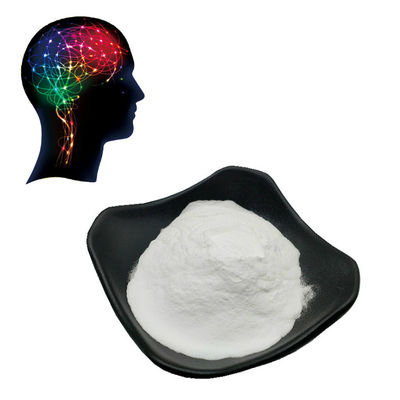
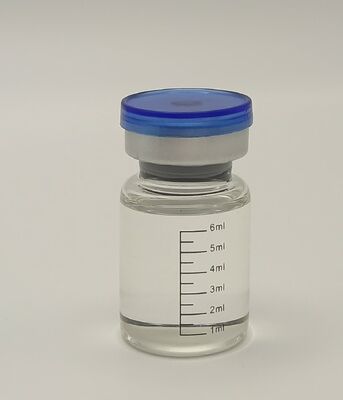
Product Description:
| Product Name |
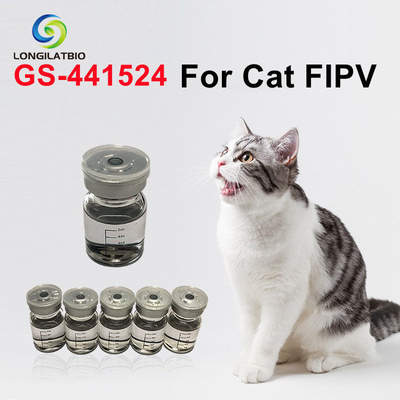
GS-441524 |
| Expiry Date |
1 Year From The Date Of Manufacture |
| Storage Condition |
Room Temperature |
| CAS Number |
1191237-69-0 |
| Core Function |
Treatment For Cat FIP |
| Dosage Form |
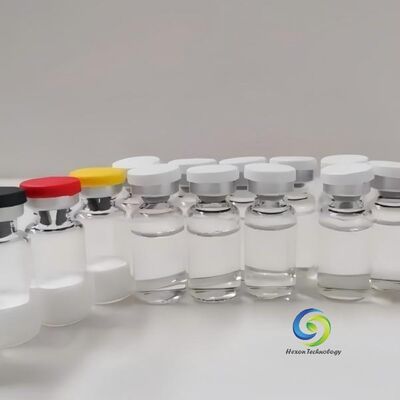
Injection |
| Country of Manufacture |
China |
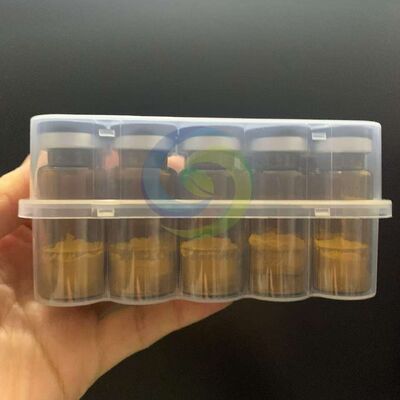
| Packaging Specs |
6ml/vial, 8ml/vial, 10ml/vial |
| Active Strength |
20mg, 30mg |
GS-441524 is a synthetic nucleoside analog with specific antiviral activity against feline coronavirus (FCoV). Its antiviral mechanism is centered on the key enzyme for FCoV replication — RNA-dependent RNA polymerase. This compound can be recognized and utilized by the viral polymerase as a substrate during the viral replication process, and after being incorporated into the newly synthesized viral RNA chain, it terminates the further elongation of the chain due to its structural characteristics that lack the necessary functional groups for chain extension, thereby fundamentally inhibiting the replication of FCoV in host cells.
As the main active metabolite of remdesivir, GS-441524 has better tissue penetration and a longer half-life (24 hours) in the body compared with the parent medication in some aspects, which makes it more suitable for the long-term antiviral treatment of feline infectious peritonitis (FIP). In the body of cats infected with FIP, GS-441524 can effectively inhibit the proliferation of FCoV in mononuclear phagocytes, the main infected cells, block the virus from spreading to various tissues and organs through the blood circulation, and reverse the excessive inflammatory response and tissue damage caused by viral infection, while the cat's immune system can gradually clear the existing virus in the body with the inhibition of viral replication.
About Cat FIP:
Feline Infectious Peritonitis (FIP) is a fatal systemic viral disease caused by the mutation of feline coronavirus (FCoV), which mainly endangers domestic cats, especially young cats and cats with low immune function. FCoV is a common coronavirus in cat populations, and the virus is mainly present in the feces of infected cats, spreading among cats through the fecal-oral route, and indirect contact through contaminated feed, water basins, and utensils can also lead to transmission. In multi-cat environments with poor ventilation and high density, the spread speed of FCoV will be significantly accelerated.
Most cats infected with FCoV will not develop FIP, because the body's normal immune system can effectively control the replication of the virus and limit it in the intestinal tract. However, when the cat's immune function is impaired due to factors such as weaning stress, viral coinfection, and malnutrition, FCoV will mutate in the body, break through the intestinal mucosal barrier, and invade the systemic mononuclear phagocyte system, leading to the occurrence of FIP. According to the clinical manifestations, FIP is divided into effusive and non-effusive types: the effusive type is the most common, with a large amount of yellowish and turbid exudate accumulating in the abdominal or thoracic cavity, leading to abdominal distension and dyspnea in cats; the non-effusive type is characterized by the formation of granulomas in multiple organs, and the clinical symptoms are more diverse according to the involved organs.
Common clinical symptoms of FIP include persistent low-grade to moderate fever, progressive emaciation, loss of appetite, mental fatigue, and elevated liver function indicators. In severe cases, jaundice, ascites, pleural effusion, and neurological symptoms such as ataxia and convulsions may occur. The diagnosis of FIP is a comprehensive process, which needs to combine the cat's clinical symptoms, laboratory tests (such as elevated globulin, lymphopenia), and imaging examinations, and the examination of abdominal/thoracic fluid (characteristic exudate with high protein and low cell count) has important reference value for the diagnosis of effusive FIP. At present, there is no specific preventive vaccine for FIP with definite curative effect, and the key of prevention is to improve the cat's immune function and reduce the spread of FCoV in the cat population.
Applications of GS441524:
GS-441524 is an antiviral medication that is widely used in the clinical off-label treatment of FIP at present, and its application object is cats clinically diagnosed with FIP and confirmed to be infected with FCoV. The medication is administered by injection, and its dosage is closely related to the clinical type of FIP in cats, body weight, and whether there are complications such as ocular and neurological involvement. Since the individual response of different cats to the medication is different, the dosage and treatment course need to be adjusted according to the cat's weight change, symptom improvement and other indicators under the professional guidance of a veterinarian.
Recommended dosage:
FIP(Wet): 0.3ml/kg * body weight kg + 0.1ml residue
FIP (Dry): 0.4ml/kg * body weight kg + 0.1ml residue
Eye / nerve entry: 0.5ml/kg * body weight kg + 0.1ml residue
Recurrence: 0.6 ml / kg * body weight kg + 0.1ml residue
Shipping:



 Your message must be between 20-3,000 characters!