Product Description
| Product Name |
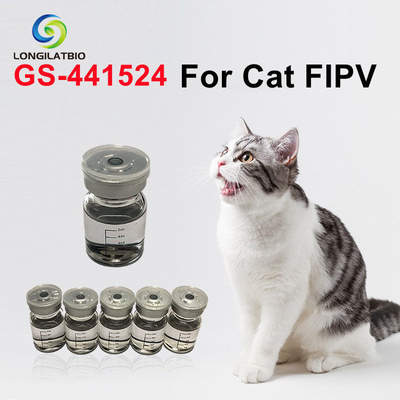
GS-441524 |
| Expiry Date |
1 Year From The Date Of Manufacture |
| Storage Condition |
Room Temperature |
| CAS Number |
1191237-69-0 |
| Core Function |
Treatment For Cat FIP |
| Dosage Form |
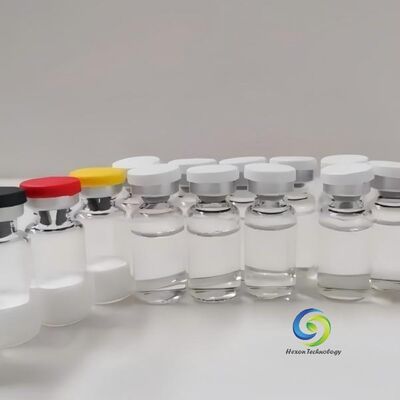
Injection |
| Country of Manufacture |
China |
| Packaging Specs |
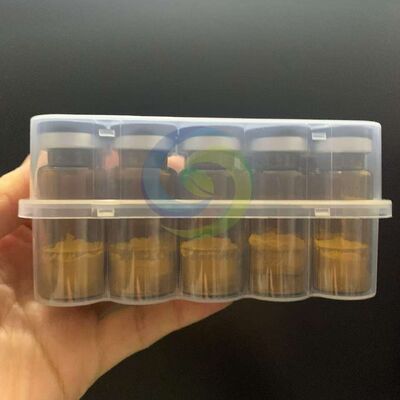
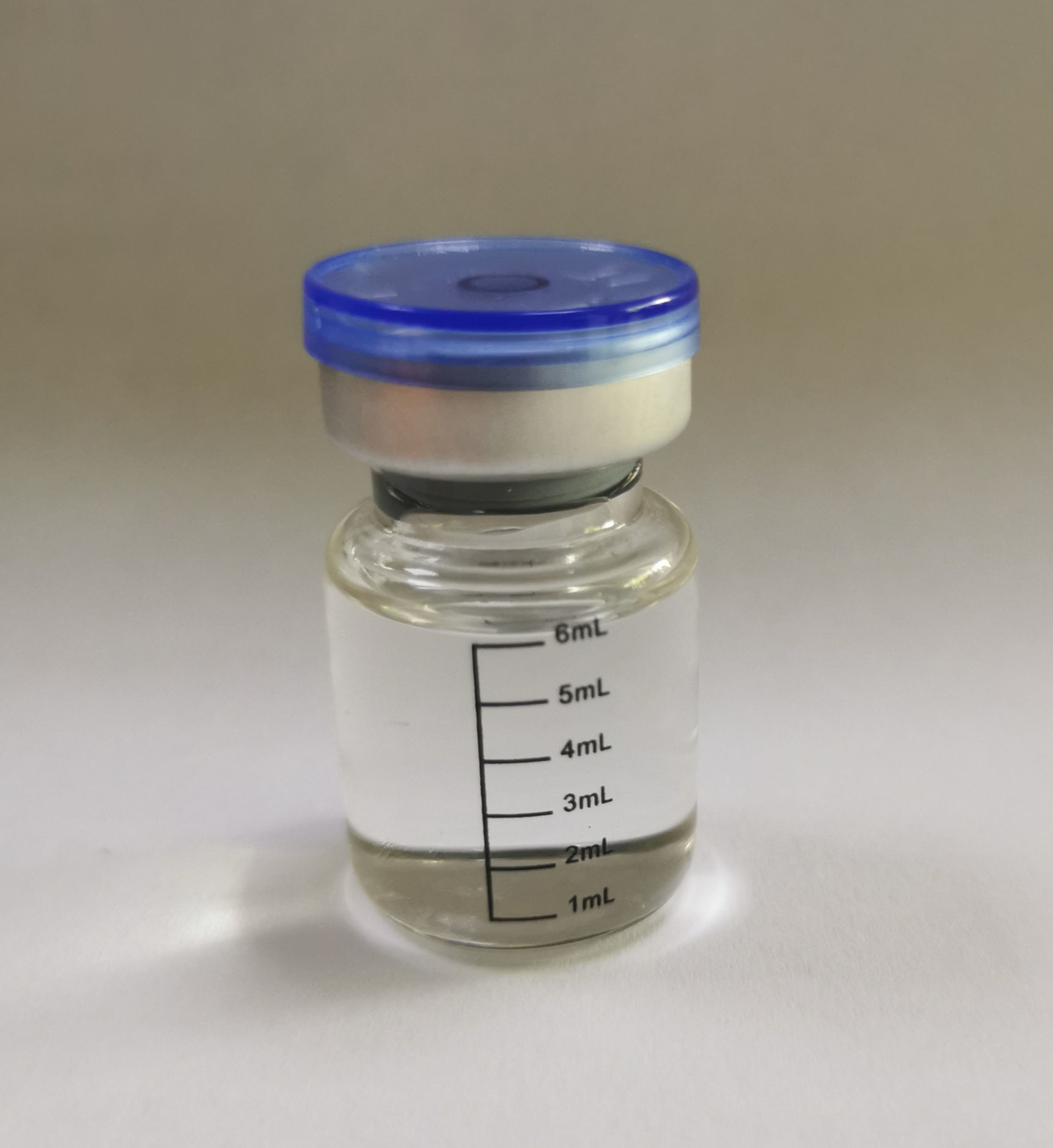
6ml/vial, 8ml/vial, 10ml/vial |
| Active Strength |
20mg, 30mg |
GS-441524 is a synthetic nucleoside analog that exerts potent and selective antiviral activity against feline coronavirus (FCoV), the etiological agent of feline infectious peritonitis (FIP). Its antiviral mechanism is centered on the specific inhibition of FCoV’s RNA-dependent RNA polymerase, an enzyme that is indispensable for the virus to replicate its genetic material and produce new viral particles within feline cells. Unlike natural nucleosides that support RNA chain growth, GS-441524 acts as a chain terminator: after being incorporated into the viral RNA synthesis process by the viral polymerase, it halts further elongation of the RNA chain, effectively blocking FCoV replication and limiting the virus’s ability to spread within the cat’s body.
As the major active metabolite of remdesivir, GS-441524 has a well-characterized pharmacokinetic profile in mammals, with a 24-hour half-life that ensures prolonged antiviral activity. This property means that a single administration maintains an effective medication concentration in the cat’s bloodstream and tissues, eliminating the need for frequent dosing and supporting consistent viral inhibition. In the treatment of FIP, GS-441524 reduces systemic viral load by targeting infected cells, alleviating the severe inflammatory response that drives tissue damage in FIP, and creating an environment where the cat’s immune system can mount an effective response to clear the remaining virus.
About Feline Infectious Peritonitis (FIP)
Feline Infectious Peritonitis (FIP) is a devastating systemic viral disease exclusive to domestic cats, caused by the mutation of pathogenic strains of feline coronavirus (FCoV). FCoV is a member of the Coronaviridae family, and two main biotypes exist: the avirulent enteric biotype, which causes only mild intestinal disease, and the virulent FIP-causing biotype, which develops from the enteric biotype via genetic mutation in immunocompromised cats. Transmission of FCoV is primarily fecal-oral, with the virus shed in the feces of infected cats and ingested by susceptible cats through contact with contaminated environments or surfaces.
The development of FIP is strictly dependent on the cat’s immune status—an intact and functional immune system is the primary defense against FCoV mutation and systemic spread. Kittens are at the highest risk of developing FIP due to their immature immune systems, especially those weaned early or raised in overcrowded environments. Stress, malnutrition, concurrent viral or bacterial infections, and immunosuppressive diseases also significantly increase the risk of FIP development in cats of all ages. When the immune system is unable to control FCoV, the virus mutates, invades the mononuclear phagocyte system, and spreads to all major organs, triggering a dysregulated immune response that leads to the characteristic pathological changes of FIP.
FIP presents in two main clinical forms: effusive (wet) and non-effusive (dry), with some cats developing a mixed form of both. Effusive FIP is characterized by the accumulation of protein-rich exudate in the body cavities, a result of increased vascular permeability caused by the viral-induced inflammatory response. This leads to visible abdominal distension (ascites) or difficulty breathing (pleural effusion), alongside systemic symptoms such as persistent fever and weight loss. Non-effusive FIP is caused by the formation of granulomas—small inflammatory lesions—in various organs, with symptoms determined by the location of these granulomas. For example, hepatic granulomas cause jaundice, renal granulomas lead to kidney dysfunction, and central nervous system granulomas result in neurological signs.
FIP diagnosis remains a major challenge in veterinary medicine due to the lack of a simple, specific diagnostic test. Clinical veterinarians rely on a combination of clinical signs, laboratory data, and imaging to make a presumptive diagnosis. Key laboratory findings include a high total protein concentration with elevated globulins, a low albumin-to-globulin ratio, and lymphopenia. For effusive cases, fluid analysis is highly informative, showing a clear to slightly turbid fluid with high protein content and a predominance of neutrophils and macrophages. Molecular testing for FCoV nucleic acid in fluid or tissue samples can support the diagnosis but is not definitive on its own. Prevention of FIP focuses on reducing FCoV transmission through improved hygiene, reduced overcrowding, stress minimization, and optimal nutrition to support immune function.
Application and Dosage of GS-441524
GS-441524 is the most widely used off-label antiviral treatment for feline infectious peritonitis in veterinary practice, with demonstrated effectiveness in treating both effusive and non-effusive FIP, including cases with ocular and neurological involvement. The medication is supplied as an injectable solution in multiple vial sizes (6ml, 8ml, 10ml) with two active strengths (20mg, 30mg), providing flexibility for veterinary dosing based on individual cat needs.
Dosage of GS-441524 is primarily based on the cat’s body weight and the clinical form of FIP, with higher doses required for cases with organ or neurological involvement and recurrent disease. The medication is administered via subcutaneous or intraperitoneal injection, and the treatment course is determined by the cat’s clinical response—most cats require continuous treatment until clinical signs resolve and viral load is undetectable. Veterinary monitoring throughout treatment is essential to adjust dosage as needed and ensure the cat’s safety and response to therapy.
Recommended Dosage Regimen:
- FIP (Wet type): 0.3ml/kg of body weight + 0.1ml residue, injectable administration
- FIP (Dry type): 0.4ml/kg of body weight + 0.1ml residue, injectable administration
- FIP with ocular/neurological involvement: 0.5ml/kg of body weight + 0.1ml residue, injectable administration
- Recurrent FIP cases: 0.6ml/kg of body weight + 0.1ml residue, injectable administration


 Your message must be between 20-3,000 characters!