Product Description
| Product Name |
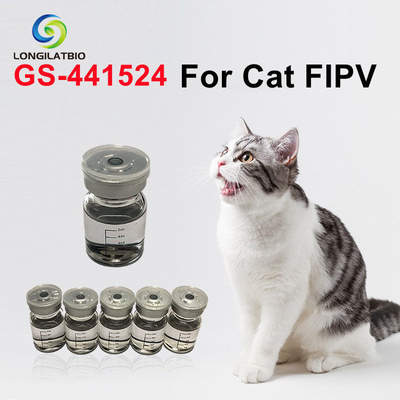
GS-441524 |
| Expiry Date |
1 Year From The Date Of Manufacture |
| Storage Condition |
Room Temperature |
| CAS Number |
1191237-69-0 |
| Core Function |
Treatment For Cat FIP |
| Dosage Form |
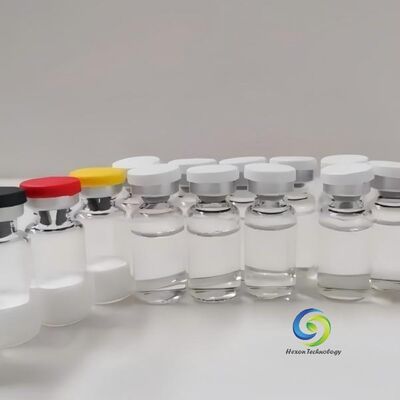
Injection |
| Country of Manufacture |
China |
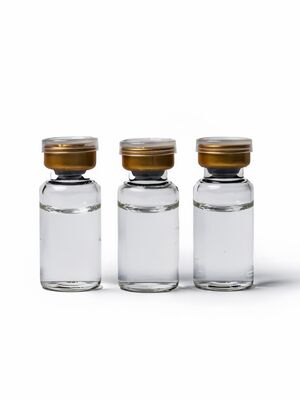
| Packaging Specs |
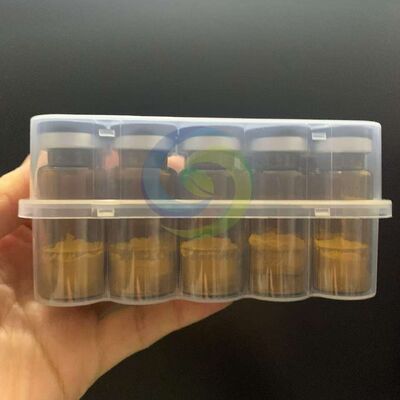
6ml/vial, 8ml/vial, 10ml/vial |
| Active Strength |
20mg, 30mg |
GS-441524 is a bioactive nucleoside analog with targeted inhibitory effects on feline coronavirus (FCoV), the virus that causes feline infectious peritonitis (FIP) in domestic cats. Its antiviral action is directed at FCoV’s RNA-dependent RNA polymerase, a key enzyme that mediates the replication of the virus’s single-stranded RNA genome in host cells. As a competitive alternative substrate for this enzyme, GS-441524 is incorporated into the growing viral RNA chain during replication. Due to its unique chemical structure, it lacks the 3'-hydroxyl group necessary for phosphodiester bond formation, which is required for RNA chain extension. This structural feature makes GS-441524 a potent RNA chain terminator, effectively stopping FCoV replication and preventing the virus from spreading to healthy cells and tissues.
Derived from the antiviral substance remdesivir, GS-441524 is the metabolite responsible for the majority of antiviral activity in the body, with a half-life of 24 hours in mammalian species. This extended half-life provides sustained systemic exposure to the substance, ensuring continuous inhibition of FCoV replication in infected cats. In FIP treatment, GS-441524 works by reducing viral load in the cat’s body, mitigating the virus-induced hyperinflammatory response that is the primary cause of tissue damage and clinical signs in FIP. By suppressing viral replication, GS-441524 allows the cat’s immune system to recover and mount a targeted response to eliminate the virus, leading to the resolution of clinical signs and improved survival rates.
About Feline Infectious Peritonitis (FIP)
Feline Infectious Peritonitis (FIP) is a severe, systemic, and life-threatening viral disease that affects domestic cats worldwide, caused by the mutation of virulent strains of feline coronavirus (FCoV). FCoV is a highly contagious virus that infects a large proportion of the global cat population, with transmission occurring primarily through the fecal-oral route. Infected cats shed the virus in their feces, and susceptible cats become infected by ingesting the virus or by contacting contaminated surfaces, food, water, or bedding. Multi-cat environments are particularly high-risk for FCoV transmission due to close contact and increased environmental contamination.
FIP does not develop in all FCoV-infected cats—only a small percentage of infected cats progress to clinical disease, and this is almost always associated with immune dysfunction. The cat’s immune system is responsible for containing FCoV to the intestinal tract; when immunity is compromised, the virus mutates and gains the ability to infect mononuclear phagocytes, a type of white blood cell that circulates throughout the body. Once inside these cells, the virus spreads systemically, infecting major organs and triggering a dysregulated immune response that leads to the formation of granulomas (in dry FIP) or increased vascular permeability (in wet FIP). The most common risk factors for FIP include young age (kittens), overcrowding, stress, and underlying immune deficiencies.
Clinically, FIP is divided into effusive (wet) and non-effusive (dry) forms, with distinct clinical presentations for each. Effusive FIP is the more common form, characterized by the accumulation of exudate in the abdominal or thoracic cavity. Clinical signs include progressive abdominal distension, dyspnea, lethargy, persistent fever unresponsive to antibiotics, and weight loss. Non-effusive FIP is less common and is marked by granulomatous lesions in one or more organs, including the liver, kidneys, spleen, lungs, and central nervous system. Symptoms of dry FIP are more variable and include fever, weight loss, lethargy, jaundice, and organ-specific signs such as kidney failure or neurological dysfunction. Ocular signs, such as uveitis and retinal detachment, are common in both forms of FIP.
Diagnosing FIP is complex due to the non-specific nature of its clinical signs and the lack of a definitive rapid diagnostic test. A presumptive diagnosis is made by combining information from the cat’s history, clinical examination, laboratory tests, and imaging studies. Key laboratory abnormalities include elevated globulin levels, a low albumin-to-globulin ratio, and lymphopenia. For effusive cases, analysis of abdominal or thoracic fluid is a key diagnostic step, with the fluid typically showing high protein content, low cell count, and the presence of FCoV. Histopathological examination of tissue samples showing characteristic granulomas and FCoV is the only definitive method of diagnosis. At present, there is no effective vaccine for FIP, and prevention strategies focus on reducing FCoV exposure and supporting immune health in cats.
Application and Dosage of GS-441524
GS-441524 is an antiviral injectable used off-label in veterinary medicine for the treatment of feline infectious peritonitis, with proven efficacy in both effusive and non-effusive forms of the disease, including cases with ocular and neurological involvement. The substance is available in multiple packaging sizes (6ml, 8ml, 10ml vials) and two active strengths (20mg, 30mg), allowing veterinarians to select the appropriate formulation for each cat based on body weight and treatment needs.
The dosage of GS-441524 is determined by the cat’s body weight and the clinical form of FIP, with higher doses indicated for cats with dry FIP, ocular/neurological involvement, or recurrent disease. The substance is administered by subcutaneous or intraperitoneal injection, and treatment is continued until the cat’s clinical signs resolve, viral load is undetectable, and laboratory values return to normal. Veterinary monitoring is essential during treatment to assess the cat’s response, adjust the dosage as needed, and monitor for any potential adverse effects.
Recommended Dosage Regimen:
- FIP (Wet type): 0.3ml/kg of body weight + 0.1ml residue, injectable administration
- FIP (Dry type): 0.4ml/kg of body weight + 0.1ml residue, injectable administration
- FIP with ocular/neurological involvement: 0.5ml/kg of body weight + 0.1ml residue, injectable administration
- Recurrent FIP cases: 0.6ml/kg of body weight + 0.1ml residue, injectable administration


 Your message must be between 20-3,000 characters!