High Purity GHK-Cu Powder CAS 89030-95-5 Copper Tripeptide-1 for Skin Repair & Anti-Aging
Product Description
GHK-Cu powder, also known as Copper Tripeptide-1, is a bioactive peptide complex widely used in cosmetic formulations focused on skin rejuvenation and repair. It combines a naturally occurring tripeptide (glycyl-L-histidyl-L-lysine) with copper ions, forming a stable compound that plays an important role in maintaining healthy skin conditions.
This ingredient has gained strong attention in the skincare industry due to its ability to support collagen synthesis and improve skin structure over time. It is commonly incorporated into anti-aging products, where it helps enhance skin firmness, smooth texture, and overall appearance.
With its good stability and compatibility in formulations, GHK-Cu powder can be easily used in a variety of cosmetic systems, making it a preferred raw material for serums, creams, and high-end skincare solutions.
Technical Parameters
| Item |
Details |
| Product Name |
GHK-Cu |
| INCI Name |
Copper Tripeptide-1 |
| CAS No. |
89030-95-5 |
| Appearance |
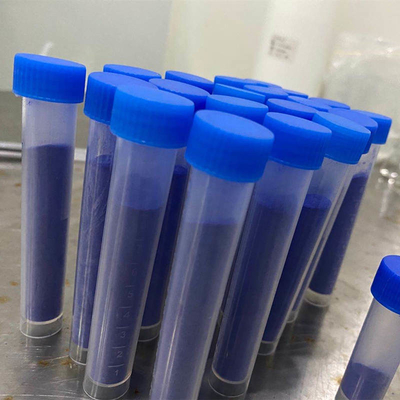
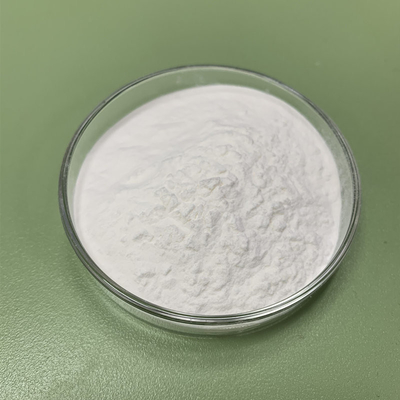
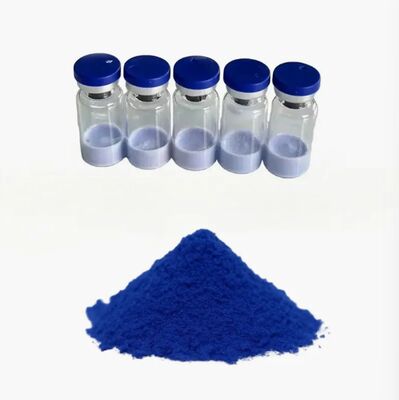
Blue to violet powder |
| Purity (Assay) |
≥99% |
| Form |
Powder |
| Function |
Skin repair & anti-aging |
| Suitable For |
All skin types |
| Origin |
China |
Key Features & Benefits
- High purity with reliable quality control
- Supports collagen and elastin production
- Helps improve skin elasticity and smoothness
- Good stability for cosmetic formulations
- Compatible with various skincare systems
Functional Advantages
GHK-Cu works by delivering copper ions to skin cells, which are essential for enzymatic reactions involved in tissue repair and regeneration. Through this process, it helps activate the skin’s natural renewal mechanisms.
Regular use in formulations may contribute to:
- Reduction in visible wrinkles and fine lines
- Improved skin firmness and resilience
- Enhanced repair of damaged or aging skin
- Support for a more even and healthier complexion
In addition, its antioxidant properties help protect the skin from environmental stressors, which are often linked to premature aging.
Applications
1. Anti-Aging Skincare Products
Widely used in serums, creams, and lotions designed to reduce signs of aging and improve skin texture.
2. Skin Repair & Post-Treatment Care
Suitable for formulations aimed at soothing and restoring skin after cosmetic procedures or environmental damage.
3. Hair & Scalp Care Products
Applied in hair care solutions to support scalp health and improve hair density.
4. Functional Cosmetic Development
Used as a key active ingredient in advanced cosmetic formulations requiring high-performance peptides.
Additional Notes
GHK-Cu is a multifunctional cosmetic ingredient with a wide range of potential benefits in skin and hair care. While it has been extensively studied in cosmetic science, formulations should be developed according to regulatory requirements in different markets.
Packing and Shipping
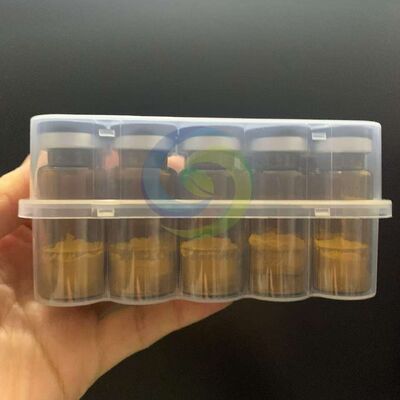
- 1–25 kg: Inner aluminum foil bag + outer carton
- 25 kg: Inner plastic bag + fiber drum
- Moisture-proof and light-resistant packaging
- Flexible shipping methods available for international orders



 Your message must be between 20-3,000 characters!