Product Overview
Epitalon (Epithalon), identified by CAS No. 307297-39-8, is a short-chain synthetic peptide composed of four amino acids (Ala-Glu-Asp-Gly). Due to its defined structure and consistent molecular profile, it is widely used in laboratory environments exploring biological aging and skin-related cellular pathways.
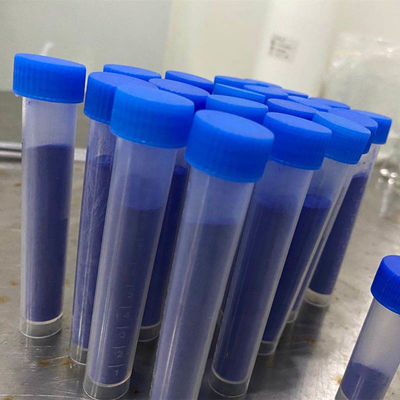
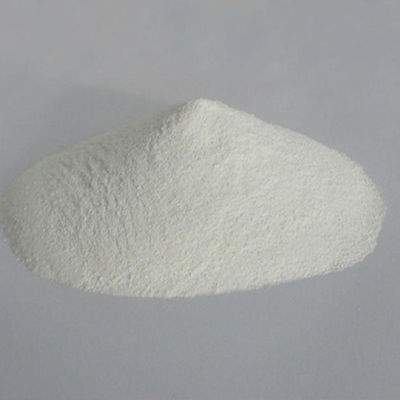
The product is supplied as a white lyophilized powder with a purity level of ≥99%, confirmed through HPLC testing. Each production batch follows standardized manufacturing protocols aligned with GMP and ISO 9001 systems, ensuring reproducibility across different research applications.
Epitalon is often selected in studies involving peptide interaction with cellular processes, especially those connected to skin condition changes over time. Its relatively low molecular weight contributes to convenient handling and predictable dissolution behavior during experimental preparation.
This material is intended exclusively for research use. It is not designed for direct application but serves as a reference compound in peptide-based investigations related to skin biology and aging models.

Functional Characteristics & Advantages
One of the distinguishing aspects of Epitalon is its high chemical consistency. With purity exceeding 99%, the product reduces variability during experimental procedures, allowing researchers to obtain more reliable data.
The peptide also demonstrates stable storage performance when maintained under recommended conditions. Its lyophilized form helps preserve structural integrity and supports extended shelf life, making it suitable for long-term studies.
Another benefit is its adaptability in laboratory use. The powder can be reconstituted to different concentrations depending on specific experimental requirements, offering flexibility in protocol design.
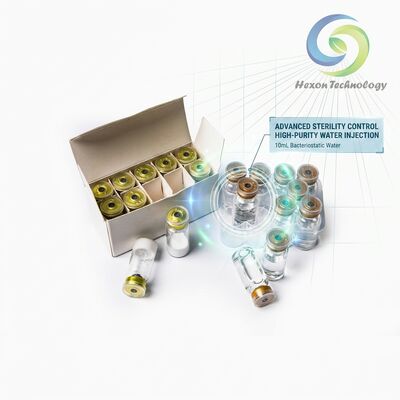
Additionally, the use of multi-vial packaging enhances usability. Individual vials reduce the risk of contamination and allow precise portion control, which is important in maintaining sample quality during repeated use.
Application Areas (Skincare-Oriented Research)
In skin-related research, Epitalon is frequently explored for its involvement in cellular aging mechanisms. It is often used in experimental setups investigating how peptides influence cell renewal and oxidative balance, both of which are closely associated with skin condition.
Researchers also examine its role in studies related to structural proteins such as collagen. These investigations contribute to a better understanding of how peptide activity may impact skin firmness and elasticity at a cellular level.
Another common application includes the study of environmental stress responses. Epitalon may be used in controlled models to evaluate how skin cells react to factors like UV exposure, dryness, and oxidative stress.
Furthermore, it is relevant in research focusing on long-term cellular stability, particularly in relation to telomerase activity and its connection to visible signs of aging.
Technical Data Sheet
| Parameter |
Specification |
| Product Name |
Epitalon / Epithalon |
| CAS Number |
307297-39-8 |
| Purity |
≥99% |
| Appearance |
White Lyophilized Powder |
| Molecular Formula |
C14H22N4O9 |
| Molecular Weight |
390.35 g/mol |
| Amino Acid Sequence |
Ala-Glu-Asp-Gly |
| Grade |
Research Grade |
| Certification |
GMP, ISO 9001 |
| Application |
Research Use Only |
| Specification |
10mg/vial, 50mg/vial |
| Packaging |
10 vials per kit |
| Storage Condition |
2–8°C, dry and light-protected |
| Shelf Life |
24 months |
| Test Method |
HPLC, UV |
| Supply Capacity |
5000 vials/month |
| Delivery Time |
5–10 days |
| Shipping Method |
Air (UPS, FedEx, EMS) or Sea |
Storage & Stability
To preserve product quality, Epitalon should be stored in a refrigerated environment between 2°C and 8°C. The vials must remain tightly sealed and protected from moisture and direct light. After reconstitution, it is recommended to avoid repeated freeze-thaw cycles, as these may affect peptide stability.


 Your message must be between 20-3,000 characters!