Product Introduction
GHK-Cu, also called Copper Tripeptide-1, is a peptide complex formed by combining the naturally occurring tripeptide glycyl-L-histidyl-L-lysine with copper ions. In recent years, copper peptides have become increasingly popular in cosmetic and skincare research because peptide-based ingredients are widely studied in modern formulation development. Among various cosmetic peptides, GHK-Cu is often recognized for its stable molecular structure and compatibility with water-based skincare systems.
Originally identified in human plasma, GHK-Cu later became an important subject in laboratories researching skin-related peptide technology. Scientists studying cosmetic ingredients noticed that short peptides combined with trace elements may interact with biological systems associated with skin structure and extracellular proteins. Because of this, GHK-Cu has gradually become a commonly referenced material in peptide skincare studies and formulation projects.
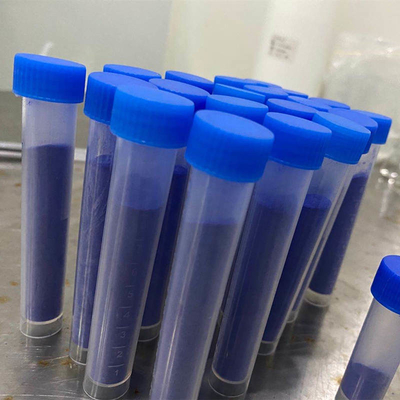
This product is supplied as a blue powder, which is the natural appearance of the copper-peptide complex. The material is manufactured through controlled peptide synthesis and purification procedures to ensure stable quality suitable for cosmetic and laboratory applications. Purity is typically verified through HPLC-UV testing, with purity levels reaching 99% or higher.
Due to its relatively small molecular size, GHK-Cu can disperse efficiently in aqueous systems, making it suitable for experimental cosmetic formulations such as serums, gel products, lightweight creams, and essence-type skincare systems. Researchers often evaluate the peptide during early-stage formulation development to study ingredient compatibility and stability.
Functional Characteristics and Advantages
One of the most important characteristics of GHK-Cu is its ability to bind copper ions in a stable form. Copper is a trace element involved in multiple biological processes, and copper-peptide complexes are frequently studied in cosmetic science related to skincare ingredient technology.
Another advantage of GHK-Cu peptide powder is its relatively stable tripeptide structure. Compared with larger biomolecules, small peptides are generally easier to incorporate into cosmetic systems and maintain under controlled storage conditions. This allows researchers to conduct repeated formulation testing without significant structural variation.
The peptide is also valued for its compatibility with water-based skincare formulations. Modern cosmetic products often rely on lightweight textures and fast-absorbing systems. Because GHK-Cu can dissolve into aqueous environments, it is suitable for laboratories developing serum-style or gel-based formulations.
Consistency between batches is another important factor in peptide research. High-purity GHK-Cu produced under standardized manufacturing conditions can help ensure stable laboratory performance. Reliable quality control procedures, including HPLC-UV analysis, support better consistency during ongoing formulation studies.
In addition, the blue appearance of the peptide gives it a recognizable identity in cosmetic research environments. Researchers working with peptide ingredients can easily identify the copper-complex structure during handling and formulation preparation.

Applications in Cosmetic and Skincare Research
GHK-Cu peptide powder is widely used in cosmetic ingredient research and skincare formulation development. In laboratories focused on peptide-based skincare products, scientists often evaluate how peptide ingredients behave under different formulation conditions.
One common application involves experimental serum formulations. Because peptides are frequently associated with advanced skincare concepts, GHK-Cu may be included in water-based prototypes to study ingredient stability, texture compatibility, and formulation balance.
The peptide is also used in gel and emulsion systems during cosmetic testing. Researchers may combine it with humectants, stabilizers, or other skincare ingredients to evaluate overall compatibility and long-term stability under controlled conditions.
Besides cosmetic formulation work, GHK-Cu is also referenced in peptide chemistry and analytical research. Laboratories studying purification methods or peptide stability may use this compound as a reference material because of its clearly defined molecular structure and consistent analytical profile.
For research laboratories and skincare developers, reliable supply and product consistency are especially important. Stable peptide quality can reduce formulation uncertainty and improve repeatability during laboratory evaluation.
Product Specifications
| Item |
Description |
| Product Name |
GHK-Cu (Copper Tripeptide-1) |
| CAS Number |
9030-95-5 |
| Purity |
≥99% |
| Appearance |
Blue Powder |
| State |
Solid |
| Test Method |
HPLC-UV |
| Package |
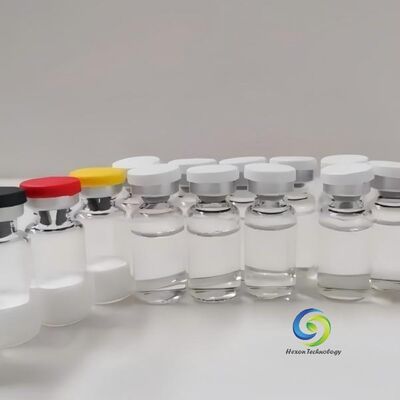
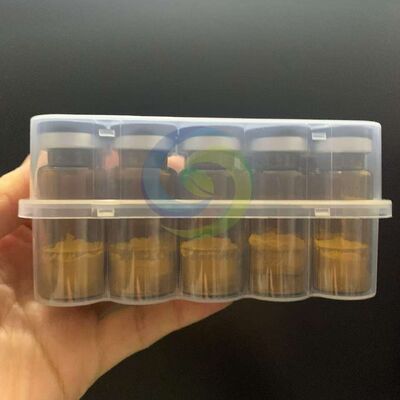
100 mg/vial, 10 vials in one kit |
| Storage |
Store at 4°C, tightly sealed, away from heat, moisture and light |
| Application |
For Research Use Only |
| Shelf Life |
Retest date: 2 years |
Storage and Handling
To maintain product stability, GHK-Cu peptide powder should be stored in a cool and dry environment. Refrigerated storage at approximately 4°C is recommended. The container should remain tightly sealed to reduce exposure to humidity and air.
When preparing laboratory samples or skincare prototype formulations, researchers generally dissolve the peptide in sterile water or suitable cosmetic research solvents depending on formulation requirements. Standard laboratory handling procedures should always be followed to maintain consistency and product quality.
Conclusion
GHK-Cu copper peptide powder is a widely studied peptide ingredient used in cosmetic research and skincare formulation development. Its stable copper-binding structure, high purity, and compatibility with aqueous systems make it suitable for laboratory experiments involving peptide-based skincare concepts. Researchers frequently use GHK-Cu in serum prototypes, gel formulations, and cosmetic ingredient studies related to peptide technology. With proper storage and consistent manufacturing standards, high-purity GHK-Cu provides reliable performance for ongoing cosmetic and laboratory research applications.


 Your message must be between 20-3,000 characters!