roduct Overview
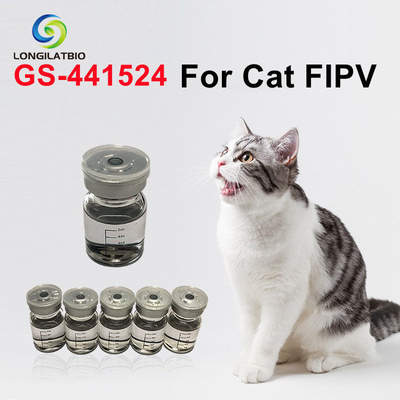
GS-441524 is an antiviral nucleoside analogue commonly referenced in veterinary medicine for feline infectious peritonitis (FIP) management programs. As interest in non-injectable antiviral options has increased, oral tablet formulations have become widely used in long-term treatment support plans for cats.
This product provides 40mg GS-441524 per tablet and is intended for oral administration. Compared with injectable solutions, tablets may offer a more convenient approach for caregivers managing daily antiviral treatment over extended periods.
FIP is a progressive viral disease associated with mutations of feline coronavirus. Once the virus spreads through the body, it may trigger inflammatory reactions involving the abdomen, chest cavity, eyes, nervous system, and internal organs. Because the disease can present in several forms, treatment protocols are usually adjusted according to the cat’s clinical condition and body weight.
The tablet formulation is manufactured under controlled production standards and packaged for stable room-temperature storage. Each batch is labeled for traceability and quality management.
Technical Specifications
| Item |
Specification |
| Product Name |
GS-441524 Tablets |
| Active Ingredient |
GS-441524 |
| Tablet Strength |
40mg |
| Dosage Form |
Oral Tablet |
| Intended Function |
Cat FIP Management |
| Storage Condition |
Room Temperature |
| Shelf Life |
12 Months |
| Manufacturing Origin |
China |
Each package includes manufacturing information and expiration details.
FIP Clinical Background
Feline infectious peritonitis develops when feline coronavirus mutates within the cat’s immune system. Although feline coronavirus is relatively common among cats, only a portion of infected animals develop FIP.
Veterinary professionals generally divide the disease into several categories based on symptoms and organ involvement.
Effusive (Wet) FIP
This form is commonly associated with fluid accumulation in the abdominal or thoracic cavity. Cats may experience abdominal enlargement, fatigue, or respiratory difficulty.
Non-Effusive (Dry) FIP
Dry FIP typically involves inflammatory lesions affecting internal organs without major fluid buildup.
Ocular Involvement
Some FIP cases affect the eyes, causing inflammation, discoloration, or visual changes.
Neurological Involvement
Neurological FIP may result in coordination problems, tremors, weakness, or behavioral abnormalities.
Because each form can progress differently, treatment plans are usually customized for the individual cat.

Oral Administration Advantages
Easier Daily Use
Tablet administration may simplify long-term treatment routines, especially for caregivers who prefer avoiding repeated injections.
Suitable for Extended Treatment Cycles
Many FIP antiviral programs continue for several weeks. Oral tablets may provide a practical option during maintenance or stabilization phases.
Consistent 40mg Strength
Each tablet contains a fixed 40mg dose, allowing convenient dosage adjustment according to body weight and veterinary guidance.
Reduced Injection-Related Stress
Repeated injections may cause discomfort or skin sensitivity in some cats. Oral tablets may help reduce stress during ongoing treatment.
Convenient Storage Conditions
The formulation is designed for room-temperature storage, helping simplify transportation and daily handling.
Reference Dosage Considerations
GS-441524 tablet dosage is generally determined according to body weight and the clinical type of FIP involved.
Reference treatment considerations may include:
| FIP Condition |
General Dosage Consideration |
| Wet FIP |
Standard antiviral support based on body weight |
| Dry FIP |
Higher support levels may be considered |
| Ocular FIP |
Increased dosage protocols may be used |
| Neurological FIP |
Advanced dosage adjustment may be necessary |
| Relapse Cases |
Ongoing monitoring and protocol modification |
Treatment duration and dosage changes should always be evaluated according to veterinary recommendations and clinical monitoring.
Common Application Environments
Veterinary Hospitals
Veterinary professionals may incorporate oral GS-441524 tablets into antiviral treatment plans for cats recovering from FIP.
Cat Rescue Centers
Rescue organizations caring for multiple cats may use tablet formulations to simplify treatment administration during rehabilitation programs.
Home-Based Care
Many caregivers choose oral administration because it may be easier to manage during long-term treatment at home.
Breeding Facilities
Breeders managing feline health programs may utilize antiviral support under veterinary supervision when infectious disease management becomes necessary.
Storage Recommendations
To maintain tablet stability and product quality:
- Store in a dry environment at room temperature
- Keep tablets sealed in original packaging
- Protect from excessive moisture and direct sunlight
- Avoid prolonged exposure to high temperatures
When stored properly, the product maintains stability for up to one year from the manufacturing date.
Packaging and Distribution
GS-441524 40mg tablets are packaged for veterinary distribution and feline treatment support programs. Secure packaging is used to help maintain tablet integrity during transportation.
Typical distribution channels include:
- Veterinary clinics
- Animal hospitals
- Veterinary pharmaceutical distributors
- Feline rescue and rehabilitation organizations
Notice
This product is intended for veterinary use only.
Treatment planning, dosage calculation, and administration schedules should be determined according to veterinary supervision and the cat’s medical condition.


 Your message must be between 20-3,000 characters!