Product Overview
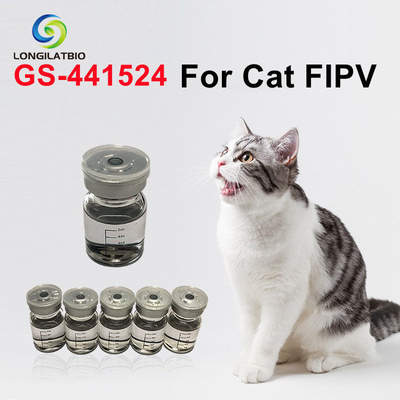
GS-441524 is a nucleoside-based antiviral compound widely recognized in veterinary medicine for its role in feline infectious peritonitis (FIP) management. As oral treatment options continue to gain popularity, tablet formulations provide a practical solution for cats requiring extended antiviral support.
This product contains 50mg GS-441524 per tablet, offering a higher-strength option for cats that require larger daily doses. The concentrated tablet format may help reduce the number of tablets administered during treatment while allowing veterinarians and caregivers to develop weight-based dosing plans more efficiently.
FIP is a complex viral disease caused by a mutated form of feline coronavirus. Once the virus spreads beyond the intestinal tract, it can affect multiple body systems and lead to severe inflammatory responses. Depending on disease progression, cats may develop abdominal fluid accumulation, organ lesions, eye inflammation, or neurological symptoms.
Manufactured under controlled production standards, these tablets are designed for stable storage, convenient administration, and consistent product quality.
Product Specifications
| Parameter |
Details |
| Product Name |
GS-441524 Tablets |
| Active Ingredient |
GS-441524 |
| Strength |
50mg per Tablet |
| Dosage Form |
Oral Tablet |
| Intended Application |
Feline Infectious Peritonitis Support |
| Shelf Life |
12 Months |
| Storage Condition |
Room Temperature |
| Manufacturing Country |
China |
Each batch is identified with manufacturing and expiration information to support quality tracking.

Feline Infectious Peritonitis Overview
FIP develops when feline coronavirus undergoes mutation within the host. While feline coronavirus is common among cats, only a small percentage develop the systemic form associated with FIP.
The disease can appear in several forms:
Effusive (Wet) Form
Often associated with fluid accumulation in the abdomen or chest cavity, leading to visible swelling and respiratory discomfort.
Non-Effusive (Dry) Form
Typically characterized by inflammatory lesions affecting organs such as the kidneys, liver, spleen, or lymph nodes.
Ocular Form
May involve inflammation of eye tissues and changes in vision.
Neurological Form
Can affect the brain and nervous system, resulting in coordination difficulties and other neurological signs.
Because clinical presentations vary significantly, treatment approaches are generally individualized according to the cat’s condition.
Key Product Features
High-Dose 50mg Tablet
The 50mg strength is suitable for situations where higher daily antiviral intake is required, helping reduce the total number of tablets administered.
Convenient Oral Administration
Tablets provide a non-injectable option that may simplify long-term treatment routines for both veterinarians and pet owners.
Consistent Tablet Quality
Controlled manufacturing processes help ensure uniform tablet composition and stable active ingredient content.
Flexible Treatment Planning
The higher-strength formulation can be incorporated into various weight-based treatment programs under veterinary supervision.
Room Temperature Storage
No special refrigeration is required when stored under recommended conditions, making handling and transportation more convenient.
General Treatment Considerations
GS-441524 tablet administration is generally based on body weight, disease presentation, and veterinary assessment.
| Clinical Condition |
Treatment Consideration |
| Wet FIP |
Standard antiviral dosage planning |
| Dry FIP |
May require dosage adjustments |
| Ocular FIP |
Enhanced support protocols may be used |
| Neurological FIP |
Higher dosage strategies may be considered |
| Follow-Up or Relapse Cases |
Continued monitoring recommended |
Veterinary evaluation is important throughout the treatment process to determine appropriate dosage adjustments.
Application Scenarios
GS-441524 50mg tablets are commonly used in professional feline care environments, including:
- Veterinary hospitals
- Animal healthcare clinics
- Cat rescue organizations
- Breeding facilities
- Long-term home care programs
The oral tablet format is often selected when caregivers prefer a convenient daily administration option.
Storage Instructions
For optimal product stability:
- Store in a cool, dry location
- Keep tablets sealed in original packaging
- Protect from excessive humidity
- Avoid prolonged exposure to direct sunlight
When properly stored, the product maintains quality for up to 12 months from the manufacturing date.
Packaging Information
The tablets are packaged to support product integrity during storage and transportation. Each package includes batch identification and expiration details for traceability and inventory management.
Important Notice
Treatment protocols, dosage calculations, and administration schedules should be established according to veterinary guidance and the individual condition of the animal.


 Your message must be between 20-3,000 characters!