Product Introduction
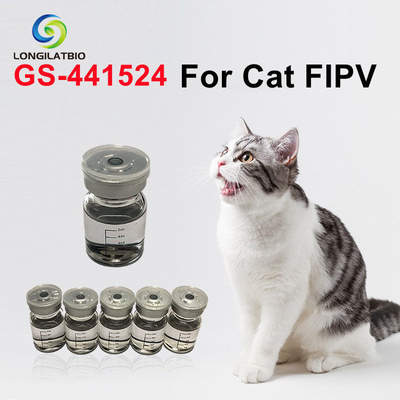
GS-441524 is a nucleoside analogue antiviral compound widely referenced in veterinary research and feline infectious peritonitis (FIP) treatment protocols. This injectable formulation provides a concentrated liquid preparation intended for veterinary use, offering an alternative to oral tablet formulations when injectable administration is preferred.
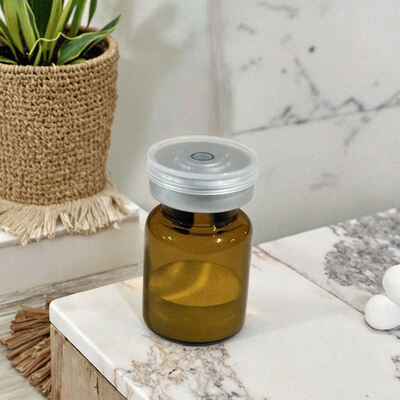
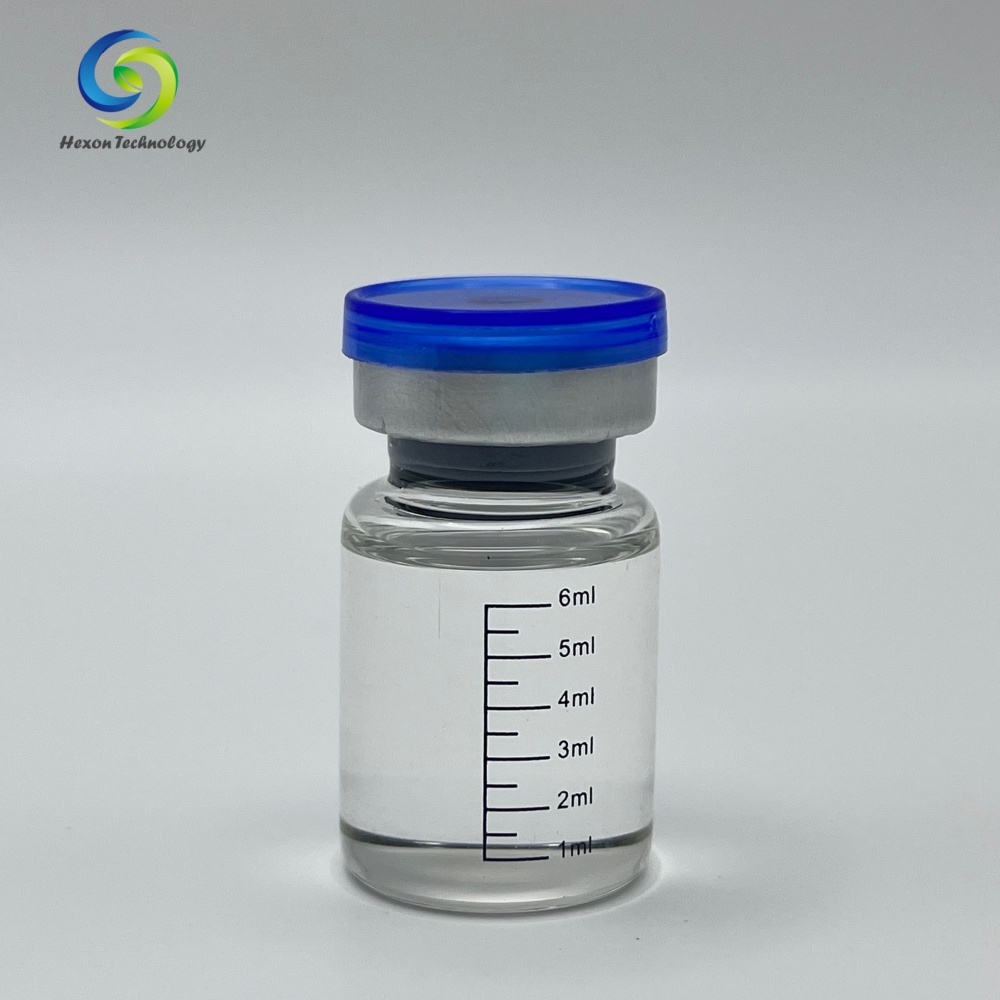
The product contains 20mg/ml GS-441524 and is supplied in a 6ml vial. The formulation is designed for weight-based administration, allowing the required volume to be calculated according to the cat’s body weight and clinical presentation.
FIP is a serious systemic disease associated with feline coronavirus mutation. Depending on the form and progression of the disease, affected cats may develop abdominal or chest fluid accumulation, organ inflammation, ocular changes, or neurological symptoms. GS-441524 is used in antiviral treatment protocols because of its activity against viral RNA replication.
The injectable format can be incorporated into veterinary treatment programs where daily administration and close monitoring are required.
Product Information
| Parameter |
Details |
| Product Name |
GS-441524 Injection |
| Active Ingredient |
GS-441524 |
| Concentration |
20mg/ml |
| Vial Volume |
6ml/vial |
| Dosage Form |
Injection |
| CAS |
1191237-69-0 |
| Function |
Treatment for Cat FIP |
| Storage Condition |
Room Temperature |
| Shelf Life |
1 Year From Date of Manufacture |
| Country of Manufacture |
China |
GS-441524 and Feline FIP
Feline infectious peritonitis develops when feline coronavirus mutates and begins to spread systemically. Unlike uncomplicated feline coronavirus infection, FIP can involve several organs and produce significant inflammatory responses.
The condition is commonly described according to its clinical presentation.
Wet FIP
Effusive FIP is generally associated with accumulation of fluid in the abdominal or thoracic cavity. Abdominal enlargement, lethargy, reduced appetite, and respiratory difficulty may occur depending on the location and amount of fluid.
Dry FIP
Non-effusive FIP may produce inflammatory lesions in internal organs without obvious fluid accumulation. The clinical signs can vary according to the organs involved.
Ocular FIP
Some cats develop inflammation affecting ocular tissues, which may be accompanied by changes in eye appearance or vision.
Neurological FIP
When the central nervous system is involved, cats may show coordination problems, tremors, weakness, or other neurological abnormalities.
Because FIP can progress differently between individual animals, veterinary examination and ongoing monitoring are important when establishing a treatment plan.

Injectable Formulation
The 20mg/ml concentration provides a defined amount of GS-441524 in each milliliter of solution. The 6ml vial format offers a practical quantity for veterinary treatment programs and routine product handling.
Injectable administration may be considered when oral administration is difficult or when a veterinarian determines that an injectable formulation is more appropriate for the individual case.
The liquid formulation also allows the administration volume to be calculated according to body weight rather than relying exclusively on fixed tablet strengths.
Reference Dosage Information
The following values can be used as reference calculations for the product formulation provided:
| FIP Presentation |
Reference Volume |
| Wet FIP |
0.3ml/kg body weight + 0.1ml residue |
| Dry FIP |
0.4ml/kg body weight + 0.1ml residue |
| Eye / Neurological FIP |
0.5ml/kg body weight + 0.1ml residue |
| Recurrence Cases |
0.6ml/kg body weight + 0.1ml residue |
For example, the calculated treatment volume should be based on the cat’s current body weight rather than a fixed volume for all animals. Weight and clinical condition may change during treatment, so dosage should be reviewed by a qualified veterinary professional.
Product Advantages
20mg/ml Concentration
The 20mg/ml strength provides a moderate concentration suitable for weight-based treatment calculations and allows dosage volume to be adjusted according to the individual cat.
6ml Vial Format
The 6ml vial provides a manageable package size for veterinary clinics, distributors, rescue organizations, and supervised home treatment programs.
Direct Injectable Administration
The injectable format provides an alternative to oral tablets and can be incorporated into treatment protocols where injection is selected by a veterinary professional.
Multiple FIP Applications
The formulation can be used within treatment programs covering different FIP presentations, including wet, dry, ocular, neurological, and recurrence cases, with dosage determined according to the specific condition.
Application Scenarios
Veterinary Clinics
Veterinary professionals can incorporate GS-441524 injection into structured FIP treatment plans while monitoring body weight, bloodwork, appetite, activity level, and other clinical indicators.
Animal Rescue Organizations
Rescue groups caring for cats with suspected or confirmed FIP may require injectable antiviral products as part of veterinary-supervised treatment programs.
Breeding Facilities
Multi-cat environments can present additional challenges when infectious diseases occur. Veterinary assessment and appropriate treatment planning are important when FIP is suspected.
Supervised Home Treatment
Some cats continue treatment at home after veterinary assessment. In these cases, administration should follow the protocol provided by the attending veterinarian.
Storage and Handling
The product should be stored at room temperature in a dry and clean environment. Avoid prolonged exposure to direct sunlight, excessive heat, or unsuitable storage conditions.
Keep the vial sealed when not being used and follow appropriate sterile handling procedures for injectable administration. Product integrity should also be checked before use, including the condition of the vial, seal, and solution.
The stated shelf life is one year from the date of manufacture when stored under recommended conditions.
Quality and Traceability
GS-441524 injection is manufactured in China under controlled production procedures. Batch identification and product labeling support traceability during storage, distribution, and veterinary use.
The 20mg/ml 6ml format is intended to provide a consistent injectable presentation for customers seeking GS-441524 products for feline veterinary applications.
Important Notice
This product is intended for veterinary use. GS-441524 treatment should be administered according to a qualified veterinarian’s assessment. Dosage, treatment duration, and administration frequency may vary according to the cat’s body weight, FIP presentation, clinical response, and overall health condition.


 Your message must be between 20-3,000 characters!