Product Introduction
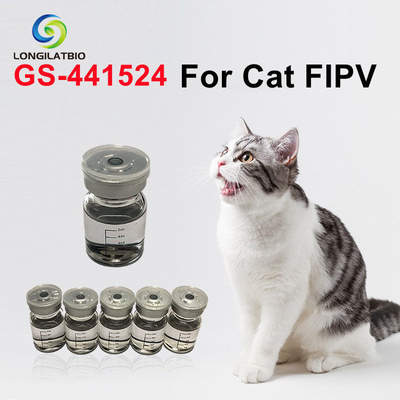
GS-441524 is a nucleoside analogue antiviral compound associated with veterinary treatment protocols for feline infectious peritonitis (FIP). This injectable formulation is designed for veterinary applications where a liquid preparation is preferred for weight-based administration.
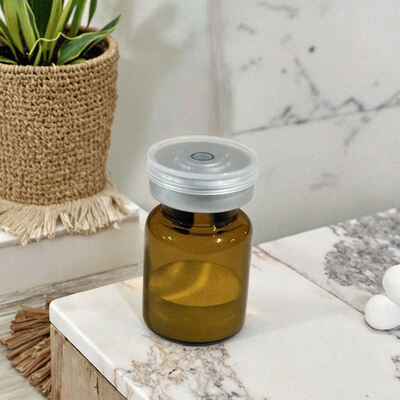
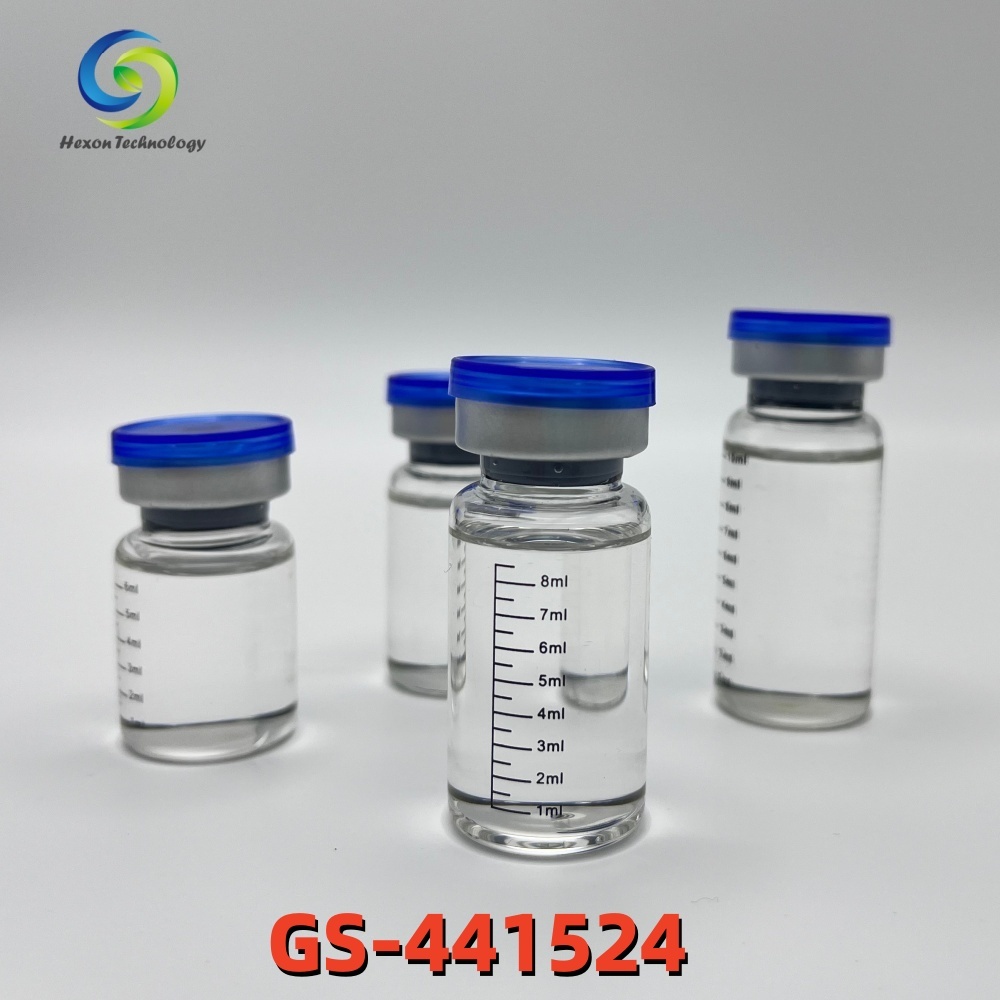
The product contains 20mg/ml GS-441524 and is supplied in an 8ml vial. Compared with smaller vial formats, the 8ml presentation provides additional formulation volume for treatment programs that require continued administration over time.
FIP is a systemic disease associated with mutation of feline coronavirus. Depending on the clinical presentation, the condition may involve fluid accumulation, internal organs, the eyes, or the nervous system. GS-441524 is used in antiviral treatment protocols because it acts on the viral replication process.
The injectable format can be incorporated into veterinary-supervised treatment plans and may be useful when oral administration is not preferred or practical.
Product Information
| Parameter | Details |
|---|
| Product Name | GS-441524 Injection |
| Active Ingredient | GS-441524 |
| Concentration | 20mg/ml |
| Vial Volume | 8ml/vial |
| Dosage Form | Injection |
| CAS | 1191237-69-0 |
| Function | Treatment for Cat FIP |
| Storage Condition | Room Temperature |
| Shelf Life | 1 Year From Date of Manufacture |
| Country of Manufacture | China |
Understanding Feline Infectious Peritonitis
Feline infectious peritonitis develops when feline coronavirus undergoes mutation and gains the ability to spread through the body. The resulting inflammatory disease can affect different organs and may progress differently from one cat to another.
Wet FIP
The effusive form is commonly associated with fluid collecting in the abdominal or chest cavity. Depending on the affected area, cats may show abdominal enlargement, reduced appetite, lethargy, or breathing difficulties.
Dry FIP
Non-effusive FIP can involve inflammatory changes in internal organs without significant fluid accumulation. Clinical signs depend on which organs are affected.
Ocular FIP
Some cases involve the eyes and may cause inflammation, changes in eye appearance, or impaired vision.
Neurological FIP
Neurological involvement may affect coordination, movement, balance, or other functions controlled by the central nervous system.
Because these presentations can differ substantially, veterinary examination and follow-up monitoring are important throughout treatment.

Injectable GS-441524 Formulation
The 20mg/ml concentration provides a defined amount of active compound in each milliliter of solution. The 8ml vial offers a practical format for veterinary clinics, distributors, rescue organizations, and supervised feline care programs.
A liquid formulation allows administration volume to be calculated according to the cat's current body weight and selected treatment protocol. This can provide flexibility when the required amount changes during the course of treatment.
Injectable administration should be performed using appropriate sterile procedures and according to veterinary instructions.
Reference Dosage Information
The following values correspond to the dosage references provided for this product:
| FIP Presentation | Reference Volume |
| Wet FIP | 0.3ml/kg body weight + 0.1ml residue |
| Dry FIP | 0.4ml/kg body weight + 0.1ml residue |
| Eye / Neurological FIP | 0.5ml/kg body weight + 0.1ml residue |
| Recurrence Cases | 0.6ml/kg body weight + 0.1ml residue |
Dosage should not be treated as a fixed amount for every cat. Body weight, clinical presentation, treatment response, and other veterinary findings should be considered when determining the appropriate protocol.
Product Features
Defined 20mg/ml Strength
The formulation provides a consistent concentration that supports weight-based calculation of the administration volume.
8ml Vial
The 8ml presentation provides a practical balance between vial capacity and routine handling, making it suitable for different veterinary supply requirements.
Injectable Dosage Form
The liquid preparation provides an alternative to GS-441524 oral tablets for cases where injectable administration is selected by a veterinary professional.
Suitable for Different FIP Presentations
The product can be incorporated into treatment programs involving wet, dry, ocular, neurological, and recurrence cases, with the treatment approach adjusted according to the individual animal.
Application Scenarios
Veterinary Hospitals and Clinics
Veterinary professionals may use the injectable formulation as part of structured FIP management while monitoring weight, laboratory results, appetite, activity, and clinical signs.
Cat Rescue Organizations
Rescue centers caring for cats with FIP may require injectable antiviral products as part of veterinary-supervised treatment and recovery programs.
Breeding Facilities
In multi-cat environments, early veterinary assessment is important when FIP is suspected. Injectable antiviral products may be incorporated into an appropriate treatment plan.
Home-Based Care
Some cats continue treatment outside the clinic after veterinary assessment. In these situations, caregivers should follow the administration method and schedule provided by the attending veterinarian.
Storage and Handling
Store the product at room temperature in a clean, dry location. Avoid prolonged exposure to direct sunlight, excessive heat, or unsuitable environmental conditions.
The vial should remain properly sealed when not in use. Appropriate sterile handling should be followed during administration, and the vial should be inspected for any visible changes or damage before use.
The stated shelf life is one year from the manufacturing date when stored under recommended conditions.
Quality and Traceability
GS-441524 injection is manufactured in China using controlled production procedures. Batch identification and product labeling support traceability throughout storage, distribution, and supply management.
The 20mg/ml 8ml presentation provides an additional vial-size option within the GS-441524 injectable range, allowing veterinary suppliers and feline care providers to select a format suited to their treatment and inventory requirements.
Important Notice
This product is intended for veterinary use. Treatment decisions, dosage calculations, treatment duration, and administration frequency should be determined by a qualified veterinary professional based on the cat's body weight, FIP presentation, clinical response, and overall health condition.


 Your message must be between 20-3,000 characters!