NAD+ Lyophilized Powder Overview
NAD+, also known as Nicotinamide Adenine Dinucleotide, is a naturally occurring coenzyme widely studied in biochemistry and cellular science. The CAS number is 53-84-9.
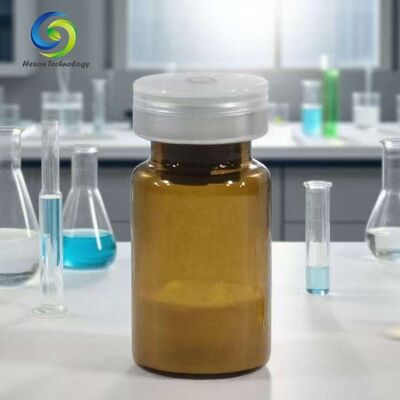
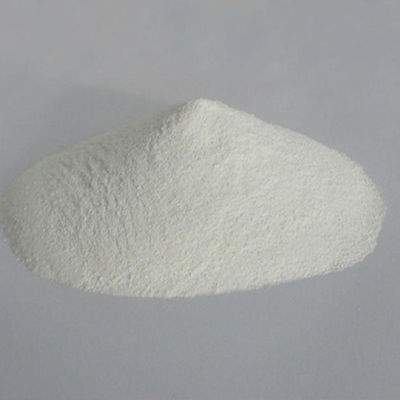
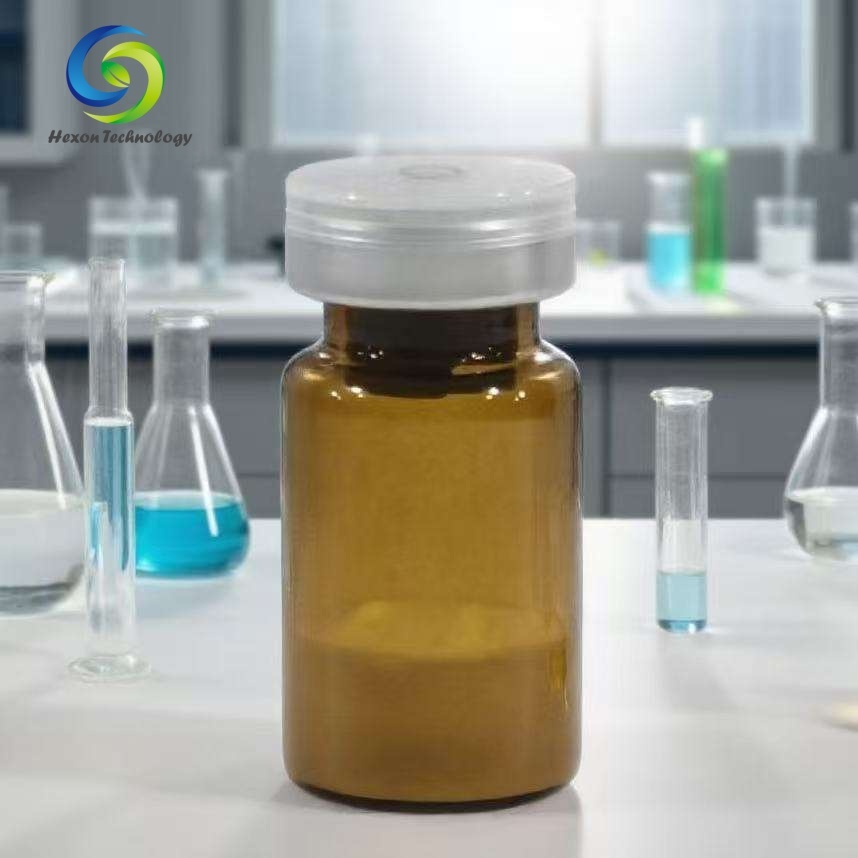
Our NAD+ is supplied in a lyophilized powder form, with a white appearance and a specified purity of ≥99%. HPLC UV is used for quality analysis. Compared with a liquid format, freeze-dried powder is easier to package into individual vials and convenient for storage and laboratory handling.
The product is available in 250 mg/vial and 500 mg/vial specifications, with 10 vials packed in one box. It is mainly supplied as a research and raw-material option for customers working on cosmetic ingredients, formulation development, biochemical studies, and related laboratory projects.
Product Specifications
| Specification |
Information |
| Product Name |
NAD+ Lyophilized Powder |
| Other Name |
Nicotinamide Adenine Dinucleotide |
| CAS Number |
53-84-9 |
| Appearance |
White Powder |
| Form |
Freeze-Dried / Lyophilized Powder |
| Purity |
≥99% |
| Testing Method |
HPLC UV |
| Reference Standard |
USP / BP |
| Available Sizes |
250 mg/Vial, 500 mg/Vial |
| Standard Packing |
10 Vials/Box |
| Storage |
Cool, Dry, Sealed Place |
| Retest Period |
2 Years |
| Sample |
Available |
| Production Capacity |
5,000 Vials/Month |
| Origin |
China |
| Delivery |
Approx. 5–10 Days |
| Shipping Methods |
UPS, FedEx, TNT, EMS, Air or Sea |
What Is NAD+?
Nicotinamide Adenine Dinucleotide is a coenzyme found in biological systems. It participates in a range of biochemical reactions, including processes associated with cellular energy metabolism and oxidation-reduction reactions.
Because of its role in basic cellular processes, NAD+ is a commonly discussed material in biochemical research. It is also attracting attention from cosmetic ingredient developers who are looking at cellular-level processes when studying new skincare formulations.
The material itself is not a finished cosmetic product. It is supplied as a raw research ingredient, and any application in a finished formulation should be evaluated according to the customer's own technical and regulatory requirements.
Why Choose the Lyophilized Form?
The format of a raw material matters, especially when it needs to be shipped internationally or stored before formulation work.
Lyophilized NAD+ is supplied as a dry powder, with each vial containing a defined amount of material. The individual-vial format makes stock management relatively simple and reduces the need to repeatedly open one larger container.
Some practical features include:
- Dry, freeze-dried powder format
- White powder appearance
- Defined 250 mg and 500 mg vial options
- Individual vial packaging
- Easy quantity identification
- Suitable for laboratory and formulation research
- Available in sample quantities
The recommended storage environment is cool and dry, with the container kept tightly closed and protected from moisture, heat, and direct light.

NAD+ in Cosmetic Ingredient Research
Modern cosmetic R&D covers more than the appearance of a finished cream or serum. Ingredient developers also study the biochemical characteristics of individual raw materials and how they behave in different formulation systems.
NAD+ can be included in this type of research because of its connection with cellular metabolism and redox-related biochemical processes.
Possible research directions include:
Skincare Ingredient Development
NAD+ can be evaluated as an ingredient in early-stage cosmetic formulation projects. Researchers can examine its compatibility with other raw materials and its behavior under different formulation conditions.
Cellular Research
Its biological role makes NAD+ relevant to laboratory studies focused on cellular metabolism and related biochemical pathways.
Skin Science
Cosmetic research may examine changes associated with skin maturity, environmental exposure, and cellular activity. NAD+ can be one of the materials considered during this type of ingredient research.
Formulation Screening
Before a new cosmetic formula is finalized, different ingredients may be screened for compatibility, stability, and processing requirements. NAD+ can be evaluated within the customer's own formulation system.
Related Cosmetic Research Ingredients
NAD+ is often searched alongside other ingredients used in current cosmetic and biochemical research.
Common related keywords include GHK-Cu, Snap-8, Selank, Semax, Epithalon, SS-31, Elamipretide, DSIP, MT-1, MT-2, and 5-Amino-1MQ.
These materials have different chemical structures and properties. They should therefore be considered individually rather than treated as interchangeable ingredients.
For companies developing multiple research projects, having access to different raw materials can make it easier to compare formulation options and establish an ingredient screening program.
Purity and Quality Control
Purity is one of the first specifications buyers normally check when sourcing NAD+ powder.
The stated purity for this NAD+ material is 99% or higher, with HPLC UV used as the analytical method. The product is supplied as a white lyophilized powder and packed in sealed vials.
For customers who need documentation for their internal evaluation, relevant quality information can be provided with the order. Samples are also available, allowing buyers to conduct their own testing before moving forward with regular sourcing.
Rather than relying only on a product name, customers can compare the CAS number, appearance, purity, testing method, specification, packaging, and storage information when evaluating different NAD+ suppliers.
Available NAD+ Vial Sizes
Two standard filling specifications are currently available:
250 mg/vial
Suitable for customers who prefer a smaller individual quantity for initial research or ingredient evaluation.
500 mg/vial
A larger vial option for projects that require more material while keeping the same individual-vial format.
Both options are normally packed as 10 vials per box.
If a project requires a different packing arrangement, it is better to confirm the packaging details before placing the order.
Packaging and International Shipping
Each box contains 10 individual vials. The vials are packed for international transportation and can be arranged according to the selected shipping method.
Available transportation options include:
- UPS
- FedEx
- TNT
- EMS
- Air freight
- Sea freight
For standard orders, the estimated delivery period is around 5–10 days. The final transit time can vary depending on destination, carrier schedule, customs processing, and transportation method.
For larger orders, shipping arrangements can be discussed according to the quantity and destination.
Storage Recommendations
NAD+ Lyophilized Powder should be stored in a cool, dry environment and kept tightly sealed when not in use.
Avoid unnecessary exposure to:
- Moisture
- High temperatures
- Direct sunlight
- Open-air storage
The product should remain in its original sealed packaging whenever possible. Customers should also follow the storage information supplied with the specific product and batch documentation.
Frequently Asked Questions
What is the CAS number of NAD+?
The CAS number of NAD+ is 53-84-9.
What is NAD+ also called?
NAD+ is commonly referred to as Nicotinamide Adenine Dinucleotide.
What form is your NAD+ supplied in?
It is supplied as a lyophilized, freeze-dried powder in individual vials.
What is the purity?
The specified purity is ≥99%, with HPLC UV listed as the testing method.
What vial sizes are available?
The regular specifications are 250 mg/vial and 500 mg/vial. Standard packaging is 10 vials per box.
Can I request a sample?
Yes. Samples are available for customers who need to evaluate the material before placing a larger order.
Is NAD+ suitable for cosmetic ingredient research?
NAD+ can be considered for cosmetic ingredient development, skincare formulation research, biochemical studies, and cellular research. Final formulation suitability should be determined through the customer's own evaluation.
How should NAD+ powder be stored?
Keep it sealed in a cool and dry place and protect it from moisture, heat, and direct light. Refer to the product documentation for the specific storage requirements.
NAD+ Raw Material for Research and Formulation
For buyers looking for NAD+ Lyophilized Powder CAS 53-84-9, the main specifications are straightforward: ≥99% purity, white freeze-dried powder, HPLC UV testing, and 250 mg or 500 mg per vial.
The individual-vial format works well for customers who need clearly defined quantities for laboratory evaluation or cosmetic ingredient development. With a standard package of 10 vials per box, it is also convenient for routine stock management.
NAD+ is available for sample evaluation, with a stated production capacity of approximately 5,000 vials per month. International delivery can be arranged by express, air, or sea transportation according to the order and destination.
For technical evaluation, customers can request the available product specifications and quality documents before confirming an order.


 Your message must be between 20-3,000 characters!