GHK-Cu in Skincare
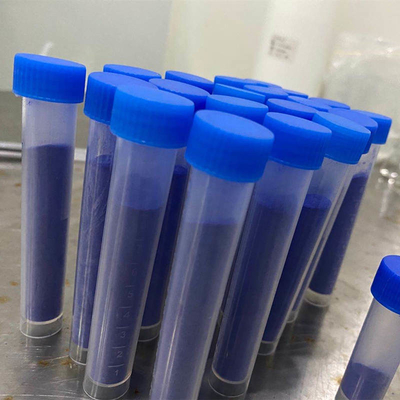
GHK-Cu, also known as Copper Tripeptide-1, is a copper peptide used in cosmetic ingredient research and skincare formulation. It is usually supplied as a fine blue powder and is valued for its role in formulas focused on skin condition, texture, firmness, and visible signs of aging.
As a cosmetic ingredient, GHK-Cu is often considered for products that aim to give the skin a smoother, fresher, and more balanced appearance. It can be found in research related to facial serums, creams, masks, eye-care products, and other peptide-based skincare formulas.
What Does GHK-Cu Do for Skin?
One of the main reasons GHK-Cu attracts attention in skincare is its connection with skin maintenance and renewal-related research. Rather than being used simply as a general moisturizing ingredient, Copper Tripeptide-1 is usually included in formulas designed around the overall appearance and condition of mature or stressed skin.
Supports Firmer-Looking Skin
GHK-Cu is commonly researched in cosmetic formulations where maintaining a firm and elastic-looking appearance is important. This makes it suitable for skincare products designed for mature skin or products focused on visible loss of firmness.
Helps Improve the Look of Skin Texture
Uneven texture can make the skin appear dull or tired. Copper peptide formulations are often developed with the goal of creating a smoother-looking surface and a more refined overall appearance.
Used in Fine-Line Care
GHK-Cu is also associated with skincare research involving visible fine lines and age-related changes in skin appearance. It is therefore frequently considered for anti-aging-oriented cosmetic formulations, especially serums and concentrated facial treatments.
Supports a Healthier-Looking Appearance
Well-formulated skincare is not only about one specific concern. GHK-Cu can be incorporated into broader skin-conditioning concepts that focus on maintaining a fresh, smooth, and well-cared-for appearance.

Common Cosmetic Formulations
GHK-Cu can be considered for different types of skincare products depending on the formulation concept and ingredient system.
- Facial serums: Often used in concentrated peptide-focused formulas designed for daily skin conditioning.
- Facial creams: Can be incorporated into moisturizing formulas intended for mature, dry, or tired-looking skin.
- Eye-care products: Suitable for research into lightweight formulas focused on the delicate appearance around the eyes.
- Face masks and essences: Can be included in specialized skincare concepts where skin texture and conditioning are key concerns.
- Peptide-based formulations: GHK-Cu can also be combined with other cosmetic ingredients in multi-component skincare research.
GHK-Cu Product Information
| Parameter |
Specification |
| Product Name |
GHK-Cu / Copper Tripeptide-1 |
| CAS Number |
9030-95-5 |
| Purity |
≥99% |
| Appearance |
Blue Powder |
| Form |
Solid |
| Test Method |
HPLC-UV |
| Specification |
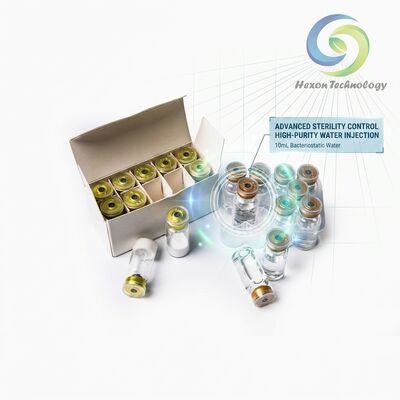
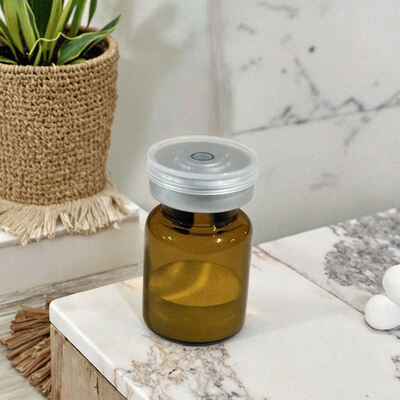
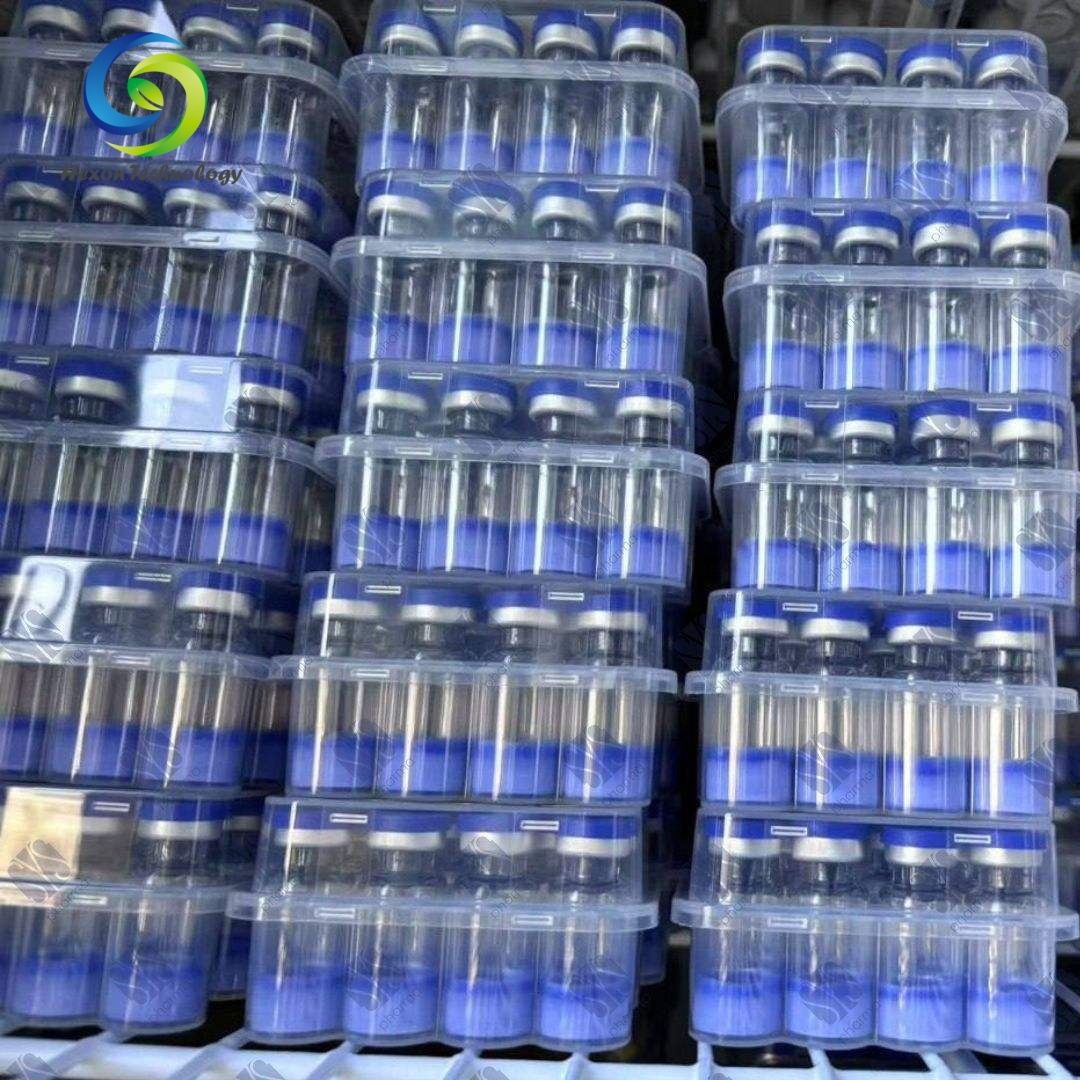
100 mg/vial |
| Package |
10 Vials/Kit |
| Storage |
Cool, Dry Place / Refrigerated Storage |
| Application |
For Research Use Only |
Handling and Storage
GHK-Cu should be kept tightly sealed and protected from heat, direct light, and moisture. For the supplied material, refrigerated storage at around 4°C is recommended according to the product handling information.
Keeping the powder away from unnecessary exposure to air and humidity can help maintain its intended condition during storage. When used for cosmetic ingredient research, handling should also follow the requirements of the specific formulation and laboratory environment.
Why GHK-Cu Is Used in Cosmetic Research
The interest in GHK-Cu comes from its combination of peptide structure and copper association. In skincare research, this makes it different from conventional ingredients used mainly for hydration or surface conditioning.
Its application is particularly relevant to formulas built around skin firmness, fine-line appearance, texture refinement, and overall skin conditioning. This is why Copper Tripeptide-1 is often seen in discussions of peptide serums and advanced cosmetic formulations.
For manufacturers and formulation researchers, GHK-Cu powder provides a practical ingredient format for developing and testing different skincare concepts. The final performance of a cosmetic product, however, depends on the complete formula, concentration, stability, delivery system, and other ingredients used alongside it.
GHK-Cu for Cosmetic Ingredient Research
GHK-Cu is supplied here as a powder with a stated purity of over 99% and HPLC-UV testing. The material is intended for research use only and can be evaluated in cosmetic formulation development according to the requirements of the individual project.
With its focus on skin appearance, texture, firmness, and fine-line care, Copper Tripeptide-1 remains a relevant ingredient for research into peptide-based skincare products, including serums, creams, essences, masks, and other facial care formulations.


 Your message must be between 20-3,000 characters!