What Is Erdafitinib?
Erdafitinib is a small-molecule compound known for its activity against fibroblast growth factor receptors, commonly called FGFRs. These receptors are proteins that help cells receive and respond to signals. They are involved in several biological activities, including cell growth, cell development, and communication between cells.
Scientists study FGFR signaling because changes in these pathways may be associated with different biological conditions. Erdafitinib is of interest in this field because it can inhibit certain FGFR proteins and has an established role in FGFR-targeted cancer treatment.
For buyers who are unfamiliar with this compound, the simplest way to understand Erdafitinib is to consider it a chemically defined molecule associated with FGFR research. Its identity can be checked using its CAS number and molecular formula, while analytical testing can help evaluate the characteristics and purity of a particular batch.
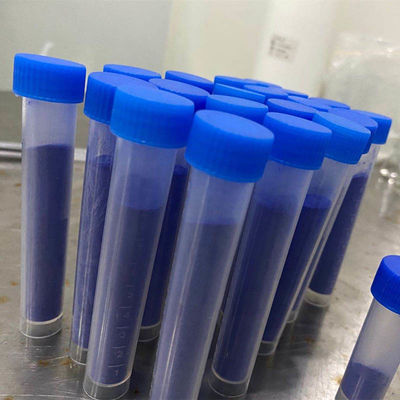
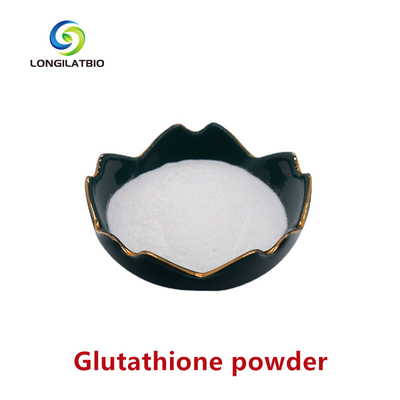
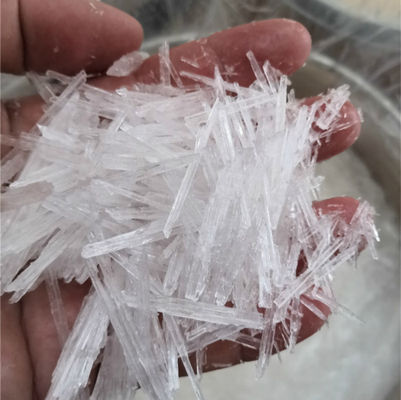
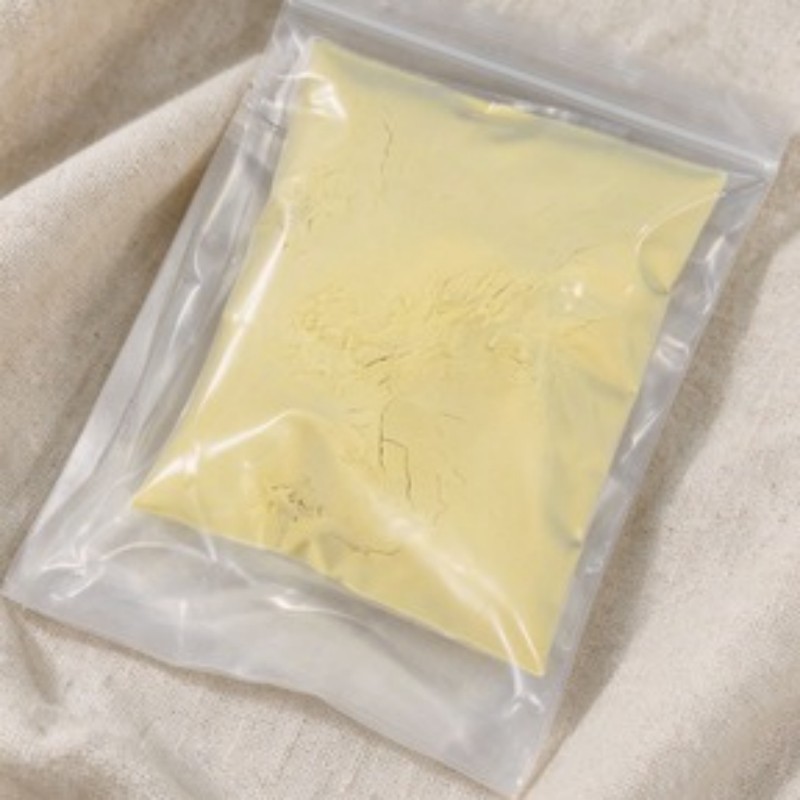
The product specifications provided for this material describe it as a white powder with a stated purity greater than 99%. HPLC-UV is the listed analytical method. Actual product identity, appearance, and purity should be verified through the relevant batch documentation.
Erdafitinib is not a general-purpose ingredient. Its suitability depends on the intended application, material grade, regulatory requirements, and supporting technical information. Buyers should review these factors before selecting a product for a particular project.
Erdafitinib Product Information
| Product Attribute |
Specification |
| Product Name |
Erdafitinib |
| CAS Number |
1346242-81-6 |
| Molecular Formula |
C25H30N6O2 |
| EINECS Number |
807-395-6 |
| Product Category |
Small-Molecule Compound |
| Material Type |
Synthesis Material Intermediate |
| Grade |
Technical, as specified |
| Appearance |
Powder |
| Color |
White, subject to batch verification |
| Purity |
Greater than 99%, as specified |
| Analytical Method |
HPLC-UV |
| Available Packaging |
1 g, 100 g, 1 kg, and 25 kg formats, subject to confirmation |
| Customized Packaging |
Available upon confirmation |
| Sample Availability |
Subject to stock and shipping requirements |
| Country of Origin |
China |
| Estimated Lead Time |
5–10 days, subject to order confirmation |
| Shipping Options |
Air or sea, depending on destination and applicable regulations |
| Storage |
Follow the verified product-specific storage instructions |
| Retest Period |
Confirm against the relevant stability documentation |
Main Characteristics of Erdafitinib
1. Clearly Identifiable Chemical Structure
Every chemical compound has identifying information that helps distinguish it from other materials. For Erdafitinib, the CAS number is 1346242-81-6, and its molecular formula is C25H30N6O2.
The CAS number is particularly useful during purchasing because it provides a standardized reference for checking product identity. The molecular formula describes the types and numbers of atoms in a molecule, but it should not be used alone to confirm identity.
When evaluating a supplier, buyers should compare the product name, CAS number, molecular formula, and available analytical documentation. These details provide a more reliable basis for comparison than a product name or photograph alone.
2. Purity and Quality Verification
The supplied specification lists Erdafitinib at greater than 99% purity. This figure is useful when reviewing product specifications, but the actual result should be confirmed by the relevant batch certificate of analysis, or COA.
A COA generally contains information about the tested material and the results of specified quality checks. The exact information included depends on the supplier's testing procedures and documentation practices.
HPLC-UV is the analytical method listed for this product. HPLC separates components within a sample, while UV detection measures compounds that absorb ultraviolet light under the selected analytical conditions.
It is important to understand that a stated purity percentage does not automatically confirm every aspect of product quality. Chemical identity, impurities, residual solvents, water content, and other parameters may require separate tests where relevant.
For this reason, professional buyers should review the available test results and confirm that the documented specifications meet their project requirements.
3. Powder Form and Visual Inspection
The product information describes Erdafitinib as a powder. Color is a basic physical characteristic that can be recorded during incoming material inspection.
However, appearance alone cannot prove that a compound is authentic or meets its stated purity. Differences in lighting, handling, storage, and batch characteristics may also affect visual observations.
Buyers who require a particular appearance should confirm the expected color with the supplier and compare it with the batch-specific documentation.
4. Packaging for Different Order Quantities
Packaging requirements vary depending on the quantity purchased, intended handling, and storage facilities available to the buyer.
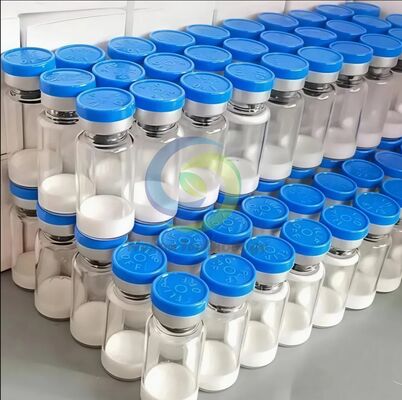
The listed package sizes include 1 g, 100 g, 1 kg, and 25 kg. These options should be treated as potential formats until stock, packaging suitability, and actual order availability are confirmed.
Small packages may be more practical for initial material evaluation, while larger formats may be considered by qualified organizations with appropriate storage and handling procedures.
Customized packaging can be discussed before an order is placed. Buyers should specify the required quantity and packaging format so the supplier can confirm what is available.

Research Background and Applications
Understanding FGFR Signaling
FGFR stands for fibroblast growth factor receptor. These receptors are involved in communication between cells and help regulate several biological processes.
When a signaling pathway functions differently from expected, researchers may investigate the proteins and molecules involved. FGFR-related signaling has therefore become an important subject in molecular biology and biomedical research.
Erdafitinib is associated with this research area because of its activity against certain FGFR proteins. Its pharmacological background has also contributed to its importance in discussions of targeted cancer treatment.
Chemical and Analytical Research
Depending on the material grade and verified specifications, Erdafitinib may be relevant to appropriate chemical research, analytical comparison, and investigations involving FGFR-related mechanisms.
Before using a material in any research procedure, scientists should consider its documented identity, purity, compatibility with the selected analytical method, and suitability for the intended experiment.
The listed HPLC-UV method provides information about the stated analytical approach. It does not mean that every possible impurity or quality characteristic has been assessed. Additional analysis may be necessary depending on the research requirements.
Pharmaceutical Research and Development
Erdafitinib has an established background as an FGFR-targeted medicine. Its mechanism and related scientific literature may be relevant to researchers examining receptor inhibition and associated biological pathways.
However, a technical-grade material or research supply should not be assumed to meet the requirements for pharmaceutical manufacturing, clinical studies, or human administration. Those applications require the appropriate grade, regulatory authorization, quality systems, and supporting documentation.
The intended use should always be established before purchasing the material.
Packaging, Storage and Handling
Correct packaging and storage help protect chemical materials from unsuitable environmental conditions. The appropriate procedure depends on the compound's verified stability characteristics and the supplier's technical recommendations.
The original product information lists storage at 2–8°C, protected from light and kept tightly sealed. These conditions should be confirmed against the applicable product documentation before they are adopted as the final storage instructions.
General handling precautions include keeping containers properly closed, using suitable protective equipment, avoiding unnecessary contact with the material, and preventing the inhalation of dust. Consult the product-specific safety data sheet (SDS) for the complete handling, exposure-control, and emergency-response requirements.
The stated retest period of two years should only be used when supported by appropriate stability data. A retest period is not automatically equivalent to a guaranteed shelf life under every storage condition.
Supply, Ordering and Delivery
Before requesting a quotation, buyers can prepare a few basic details:
- Required quantity and preferred package size
- Destination country
- Required technical documents
- Packaging preferences
- Expected delivery schedule
Providing this information makes it easier to assess product availability and determine suitable packaging and transport arrangements.
The estimated lead time provided for this product is 5–10 days, subject to confirmation. Actual timing may depend on stock status, order quantity, packaging requirements, shipping arrangements, and destination-specific procedures.
Air or sea shipping may be available depending on the destination and the carrier's acceptance requirements. All shipments must comply with applicable customs, import, export, and transport regulations.
Sample requests and customized packaging can be discussed before ordering. Buyers should confirm the final specifications, quotation, documentation, and delivery arrangements before proceeding.
Conclusion
Erdafitinib CAS 1346242-81-6 is a chemically defined compound associated with FGFR inhibition and related scientific research. The supplied specifications describe a powder with a stated purity greater than 99%, a molecular formula of C25H30N6O2, and HPLC-UV as the listed analytical method.
For buyers, the key steps are to confirm chemical identity, review batch-specific analytical documentation, verify storage recommendations, and establish packaging and delivery requirements before placing an order. Clear specifications and appropriate documentation help buyers make informed decisions when evaluating chemical materials for professional research and development purposes.


 Your message must be between 20-3,000 characters!