About the Product
For professional buyers, a chemical raw material is more than a name and a purity figure. Its identity, physical form, specification details, and supporting analytical information all play a role in determining whether it meets a particular sourcing requirement.
GS-441524 is available in powder form with a stated purity of 99%. This product is presented as an individual chemical raw material rather than a finished formulation. Its specification information is intended to help laboratories and professional procurement teams identify the material and assess it against their own requirements.
The powder format makes the product suitable for controlled laboratory evaluation and chemical analysis. Buyers who source materials in this form can review the compound information and relevant batch records before making a purchasing decision.
Basic Product Data
| Product Parameter |
Specification |
| Product Name |
GS-441524 |
| CAS No. |
1191237-69-0 |
| Purity |
99% |
| Physical Form |
Powder |
| Appearance |
Powder |
| Molecular Formula |
C12H13N5O4 |
| Molecular Weight |
291.26 g/mol |
| Material Type |
Chemical Raw Material |
| Origin |
China |
| Storage |
Cool and dry conditions |
The information above provides a basic identification reference. Detailed analytical values and other batch-specific characteristics should be checked against the documentation supplied for the actual material.

Material Profile and Physical Form
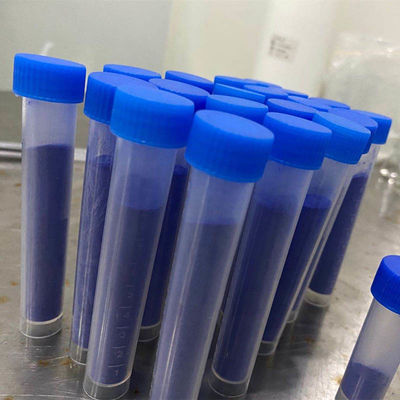
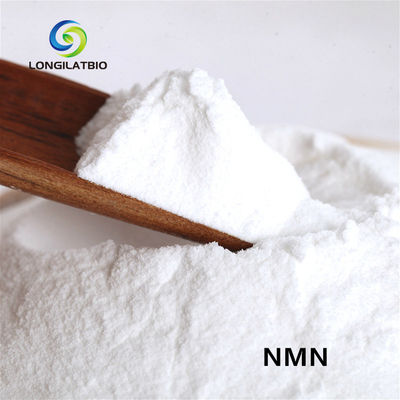
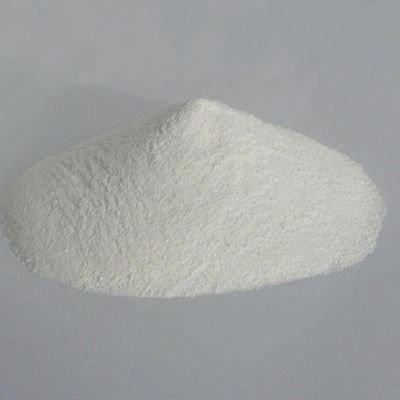
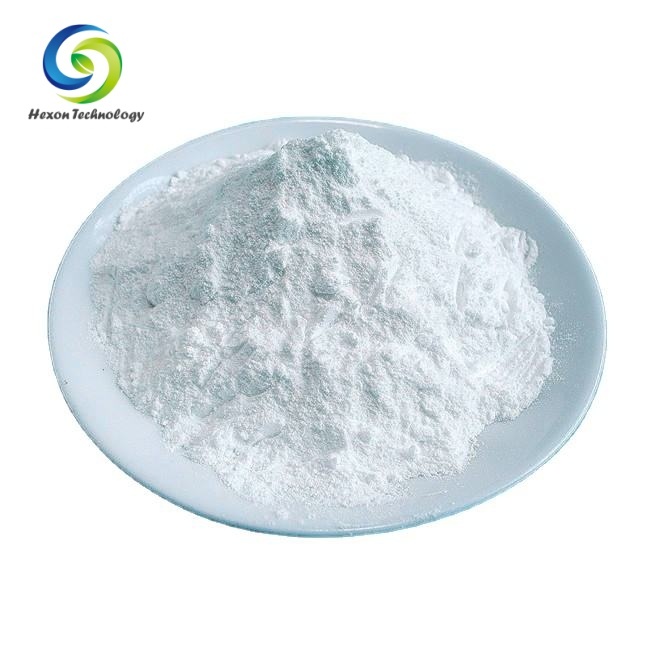
GS-441524 is supplied as a powder, allowing the material to be handled as a raw chemical rather than as a pre-prepared dosage form.
For buyers working with different types of chemical materials, physical form is a practical specification. Powder products can be weighed and examined as part of controlled laboratory procedures, subject to the relevant handling requirements.
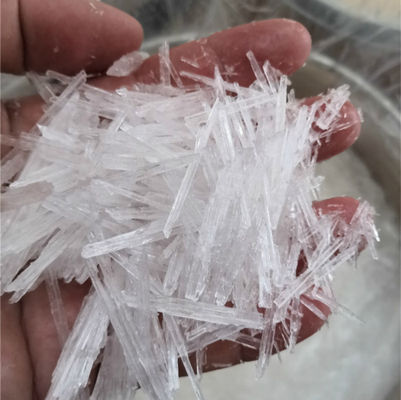
The appearance of a material can also be useful during initial inspection. However, visual appearance alone cannot establish chemical identity or purity. Analytical verification remains necessary when these properties need to be confirmed.
When reviewing a new batch, professional users should consider the product label, batch identification, packaging condition, and available analytical records together.
Understanding the 99% Specification
The stated purity of this product is 99%. This figure is an important part of the product description, but it should be interpreted in the context of the analytical method used.
For example, purity results obtained through different analytical techniques may not be directly comparable. Buyers who have specific testing requirements should confirm the method, reporting basis, and relevant acceptance criteria before ordering.
A useful material review may include:
-
Confirmation of chemical identity
-
Purity measurement
-
Impurity profile, where required
-
Moisture-related information
-
Batch number and traceability
-
Consistency between labeling and analytical records
Not every buyer will require all of these details. The appropriate documentation depends on the purpose of the purchase and the quality standards applied by the receiving organization.
Analytical Documentation and Batch Review
Documentation is an important part of professional chemical sourcing. A product description provides general information, while batch documentation relates to a particular production lot.
When evaluating GS-441524 powder, buyers should check whether the available records contain the information they need. This may include the compound name, CAS number, batch reference, test method, and reported analytical result.
It is also helpful to establish documentation expectations before an order is confirmed. If a buyer requires a particular analytical technique or a specific reporting format, this should be communicated clearly during the quotation stage.
A consistent approach to documentation can make communication between suppliers, purchasing departments, and laboratory personnel more straightforward.
Considerations When Sourcing Raw Powder
Chemical raw materials are often purchased according to a combination of technical and commercial requirements. The lowest quoted price does not necessarily provide enough information to assess whether a product is suitable for a particular project.
Before selecting a supplier, buyers may want to review several aspects:
Product identification: Confirm that the product name and CAS number correspond to the required compound.
Specification clarity: Check the stated purity and determine whether the analytical method is clearly identified.
Batch information: Ask how individual batches are labeled and documented.
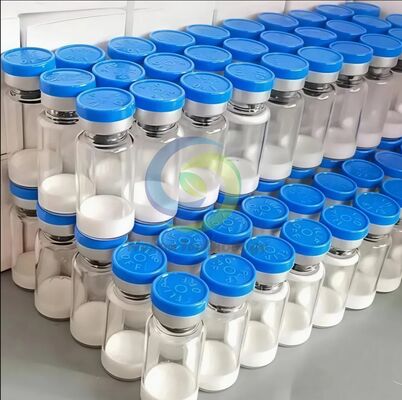
Packaging details: Confirm the available package sizes and whether the packaging is appropriate for the intended storage and transport conditions.
Supply arrangements: Clarify the minimum order quantity, lead time, shipping options, and other purchasing terms.
These points help buyers compare quotations on a more consistent basis.
Packaging and Transportation
The condition of chemical packaging matters throughout storage and transportation. Suitable packaging should help protect the material from moisture, external contamination, and unnecessary exposure to the surrounding environment.
For international orders, buyers should confirm the package format, labeling requirements, and transportation arrangements in advance. Any special documentation needed for the destination should also be discussed before shipment.
For repeat purchases, maintaining clear batch and order records can make subsequent procurement easier. It also helps both parties identify the material and its associated documentation without relying solely on an earlier product description.
Storage Recommendations
GS-441524 powder should be kept in a cool, dry storage environment, away from direct sunlight and excessive moisture.
After opening, the container should be properly closed when the material is not being handled. Avoid unnecessary exposure to humid air and follow the storage guidance provided with the relevant batch.
Storage conditions can influence the condition of chemical materials over time. Buyers should therefore follow the applicable product documentation rather than assume that all powder materials have identical storage requirements.
Laboratory personnel should consult the relevant safety information and use appropriate protective measures when handling the material.
Intended Laboratory Context
This product is described as a chemical raw material for controlled laboratory research and analytical evaluation. It is not presented as a finished consumer product or a ready-to-use preparation.
The intended handling procedures, testing requirements, and acceptance standards should be established by the professional organization using the material. It should not be used directly in humans or animals.
For organizations with internal quality procedures, the product specification can be compared with their own material acceptance criteria before the material is approved for use.
Frequently Asked Questions
What purity is specified for this GS-441524 powder?
The stated product specification is 99% purity. The actual result for a supplied batch should be checked in its relevant analytical documentation.
What is the CAS number of GS-441524?
The CAS number is 1191237-69-0.
What is the physical form of the product?
It is supplied as a raw powder, not as a tablet, capsule, or liquid preparation.
What information should be checked before purchasing?
Buyers should review the compound identity, purity specification, analytical documentation, packaging details, and order requirements.
How should the product be stored?
Keep it in a cool, dry place, protected from direct sunlight and moisture. Follow the storage instructions accompanying the supplied batch.
Final Product Notes
GS-441524 99% Purity Powder is offered as a chemical raw material with a defined compound name, CAS number, molecular formula, molecular weight, and stated purity.
For professional sourcing, the most useful approach is to evaluate the complete specification rather than rely on a single product attribute. Reviewing analytical records, batch identification, packaging, and storage information can help buyers make a more informed purchasing decision.
Whether the requirement is for an initial material evaluation or ongoing laboratory procurement, clear specifications and accurate batch information are essential parts of the sourcing process.


 Your message must be between 20-3,000 characters!