Product Introduction
NAD+ (Nicotinamide Adenine Dinucleotide), CAS No. 53-84-9, is an important coenzyme naturally found within biological systems. It is involved in cellular redox reactions and metabolic pathways that help regulate energy conversion and other fundamental cellular processes. Because of this biological relevance, NAD+ has attracted attention not only in biotechnology research but also in the development of modern cosmetic ingredients.
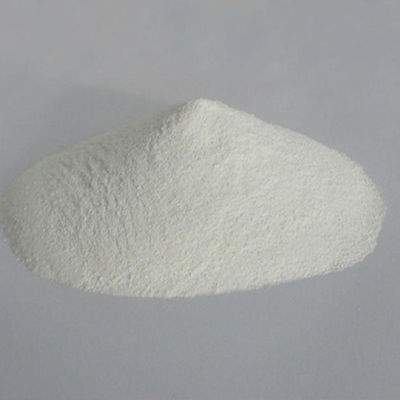
Our NAD+ is supplied as a freeze-dried, lyophilized powder, providing a convenient format for professional laboratory and formulation research. The product has a white appearance and a purity of more than 99%, with HPLC UV used as the primary analytical method for quality verification.
In skincare research, NAD+ is mainly investigated as part of ingredient systems related to cellular activity, skin vitality, oxidative stress, and age-associated changes. It is particularly relevant to cosmetic R&D programs that focus on biotechnology-inspired formulations rather than conventional skincare ingredients.
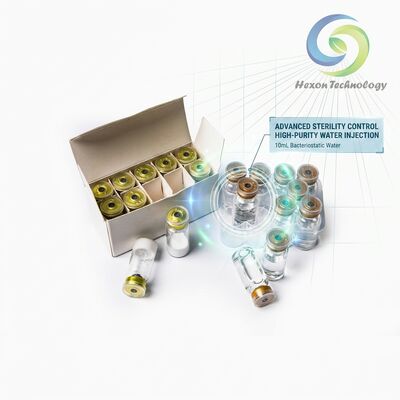
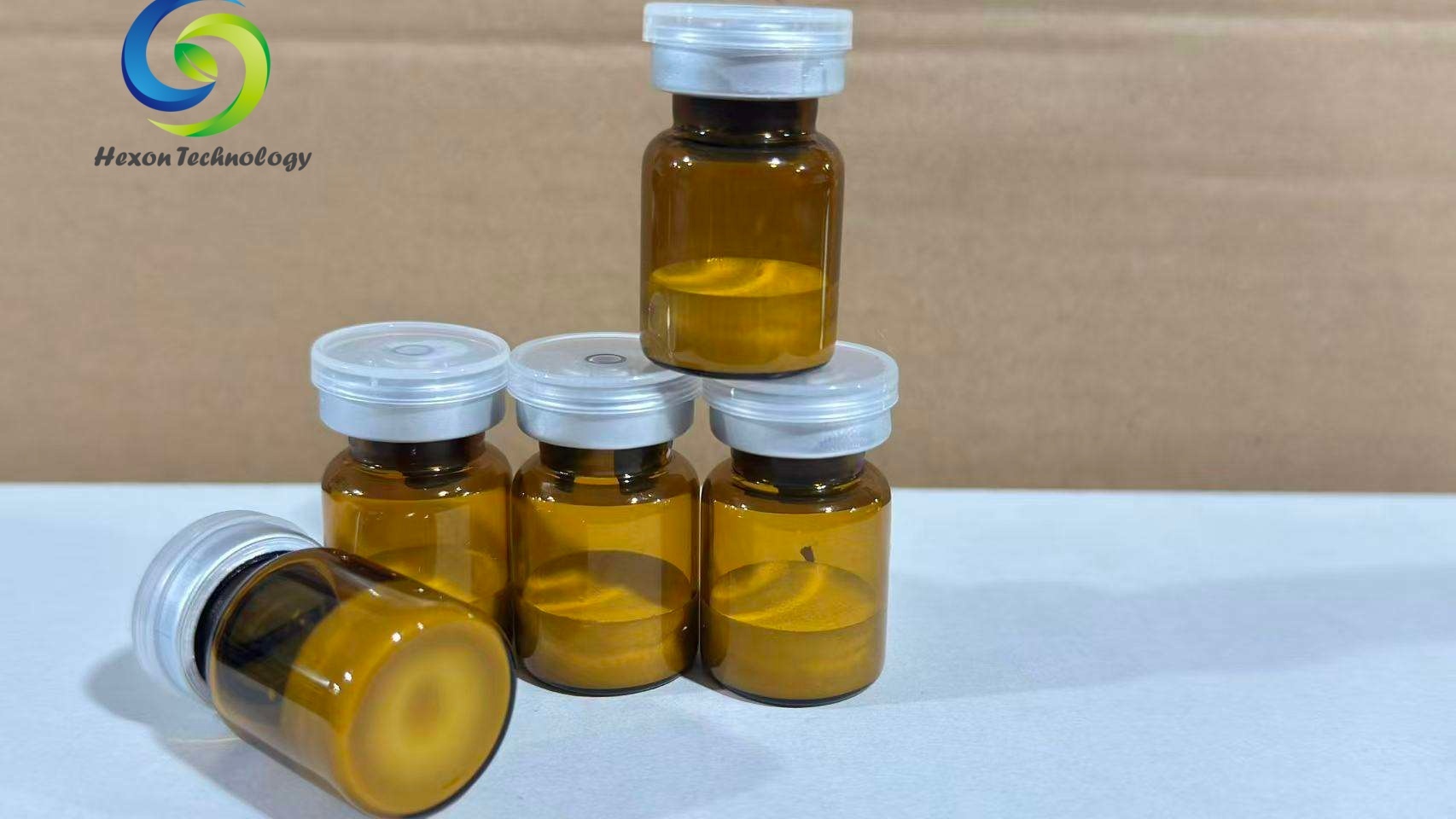
The product is available in 250mg and 500mg vial specifications, with 10 vials packed in one box. Samples can also be provided for preliminary evaluation.
Product Specification
| Parameter |
Specification |
| Product Name |
NAD+ Lyophilized Powder |
| Full Name |
Nicotinamide Adenine Dinucleotide |
| CAS No. |
53-84-9 |
| Product Form |
Freeze-Dried / Lyophilized Powder |
| Appearance |
White Powder |
| Purity |
≥99% |
| Certification / Standard |
USP, BP |
| Test Method |
HPLC UV |
| Specification |
250mg/Vial, 500mg/Vial |
| Packaging |
10 Vials/Box |
| Storage |
Cool, dry place; refrigerated storage recommended |
| Retest Date |
2 Years |
| Sample |
Available |
| Production Capacity |
5,000 Vials/Month |
| Delivery Time |
5–10 Days |
| Shipping |
UPS, FedEx, TNT, EMS, Air or Sea |
| Origin |
China |
Why Choose the Lyophilized Form?
Lyophilization is commonly used for materials that require controlled moisture levels and improved storage characteristics. During the freeze-drying process, water is removed under controlled conditions, leaving a dry and lightweight material that is convenient for packaging, warehousing, and transportation.
For NAD+, the lyophilized presentation is particularly practical for research laboratories and cosmetic ingredient developers that need a consistent raw material format. The individual vial packaging also makes inventory management easier when different batches or quantities are required for separate projects.
The material should nevertheless be stored according to the recommended conditions. Keeping the vials sealed and protected from heat, moisture, and direct light helps maintain product quality during storage.

NAD+ in Modern Skincare Research
The skincare industry has increasingly shifted toward research into cellular mechanisms rather than focusing only on surface-level cosmetic effects. NAD+ fits naturally into this area because of its involvement in cellular metabolism and redox biology.
Researchers may investigate NAD+-related pathways when studying skin cell activity, environmental stress, and age-associated changes. UV exposure, pollution, and other external factors can influence the condition of skin over time, making cellular metabolism an important subject within cosmetic science.
For this reason, NAD+ can be found in experimental research programs involving skin vitality and advanced anti-aging concepts. Its role is generally studied at the ingredient and cellular research level rather than being presented as a simple conventional moisturizing or cleansing ingredient.
Cosmetic Application Areas
-
Anti-Aging Ingredient Research
Cosmetic laboratories may investigate NAD+-related cellular pathways when developing formulations intended for mature-skin research and age-related appearance studies.
-
Skin Vitality Studies
NAD+ is relevant to research examining cellular energy metabolism and its relationship with overall skin condition and appearance.
-
Oxidative Stress Research
Because NAD+ participates in redox reactions, it can be included in laboratory models investigating how skin cells respond to oxidative and environmental stress.
-
Functional Skincare Development
Formulation teams may evaluate NAD+ alongside other bioactive materials when developing serums, essences, creams, and other experimental skincare systems.
-
Cosmetic Ingredient Screening
The material can also be used in early-stage R&D to assess ingredient compatibility, formulation behavior, and potential combinations with other research compounds.
Quality Control
Purity and batch consistency are important considerations when purchasing cosmetic research materials. Our NAD+ is controlled at a purity level of ≥99% and analyzed using HPLC UV.
The production process includes routine quality checks covering the appearance and analytical characteristics of the finished material. Standardized vial packaging also helps maintain consistency between individual units.
For customers conducting their own formulation or laboratory evaluation, samples are available before larger orders. This can be useful when checking material compatibility with an existing research process.
Packaging, Shipping & Storage
NAD+ Lyophilized Powder is supplied in 250mg/vial and 500mg/vial formats, with 10 vials per box. Other packaging arrangements can be discussed according to project requirements.
For international orders, available transportation methods include air shipment through UPS, FedEx, TNT, or EMS, as well as sea freight for larger quantities. Standard delivery time is approximately 5–10 days, depending on the destination and shipping method.
For storage, keep the product tightly sealed in a cool, dry environment and protect it from moisture, heat, and direct light. Refrigerated storage is recommended when appropriate for the specific product specification.
Conclusion
NAD+ Lyophilized Powder is a high-purity research material designed for cosmetic ingredient development, skincare science, and laboratory applications. Its freeze-dried format provides a practical option for storage and handling, while ≥99% purity and HPLC UV testing provide clear quality-control parameters.
With 250mg and 500mg vial options, sample availability, and a monthly production capacity of approximately 5,000 vials, the product can support both small-scale formulation evaluation and continuing R&D projects. It is particularly suitable for cosmetic developers exploring cellular metabolism, skin vitality, oxidative stress, and biotechnology-inspired skincare formulations.


 Your message must be between 20-3,000 characters!