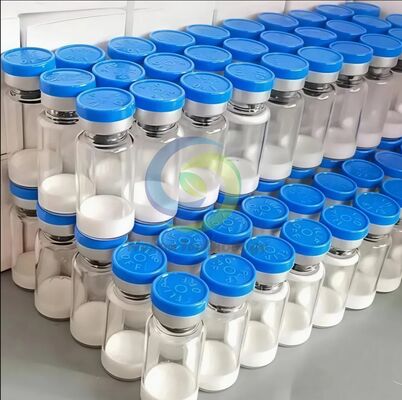
3ml Bac Water Vial 0.9% Bacteriostatic Agent Multi-Draw Sealed Glass Type I
Product Introduction
Three millilitres is the amount that matches one lyophilized vial in most small research kits. Reconstituting a 5mg or 10mg peptide with 3ml lands the concentration where a 1ml syringe reads cleanly, with no awkward rounding to explain in a protocol, and the fill usually covers the draws for a two to three week schedule before the vial runs dry.
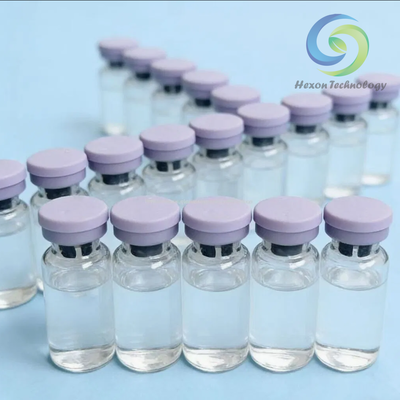
The liquid is sterile water with 0.9% bacteriostatic agent, which is the part that keeps a punctured vial from turning into a growth medium between sessions. Glass is Type I borosilicate, the fill is inspected against a dark background before sealing, and a hazy or particulate batch never reaches packing. Vials are vacuum-sealed and carry a lot number that matches the batch report.
Key Benefits & Technical Advantages
Right-sized fill: 3ml matches a single-compound course, so there is nothing left over to sit at the back of a fridge for months with an unknown number of punctures behind it.
Draw count that fits the fill: the volume is exhausted roughly when the schedule ends, which means the stopper is never asked to survive more punctures than it was built for.
Standard bacteriostatic agent level: 0.9% is the concentration most published reconstitution practice assumes, so behaviour after mixing is predictable rather than a variable you have to test.
Type I glass: low alkali release, so nothing migrates from the vial wall into a solution headed for a subject.
Room-temperature storage: the diluent itself needs no cold chain, which simplifies kit packing and shipping.
Usage Scenarios
Single-vial reconstitution where one peptide is being prepared for one course.
Small animal dosing schedules running two to three weeks, where the draw volume per session is under a millilitre.
Field and travel kits, where a small sealed vial is easier to carry and account for than a larger bottle.
Teaching and training labs, where each bench gets its own vial rather than sharing a stock bottle.
Supply & Logistics
Each vial is vacuum-sealed and inspected for clarity before dispatch. A batch-specific digital report covering sterility and pH ships with the order. Store at room temperature, away from direct UV. Not for intravenous use and not for neonatal use; discard the vial 28 days after the first puncture.



 Your message must be between 20-3,000 characters!