Bacteriostatic Water 10ml Multi-Puncture Vial Clear Solution Room-Stable
Product Introduction
Ten millilitres earns its place when several vials get reconstituted in one sitting, or when a compound needs a low concentration and a 3ml fill simply will not cover the run. In a clinic preparing a tray of doses before a day of appointments, the difference is not the water itself but the number of vials opened, logged and disposed of.
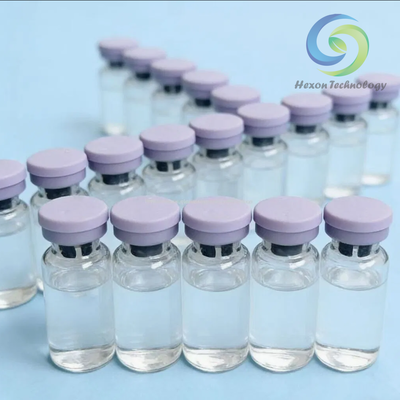
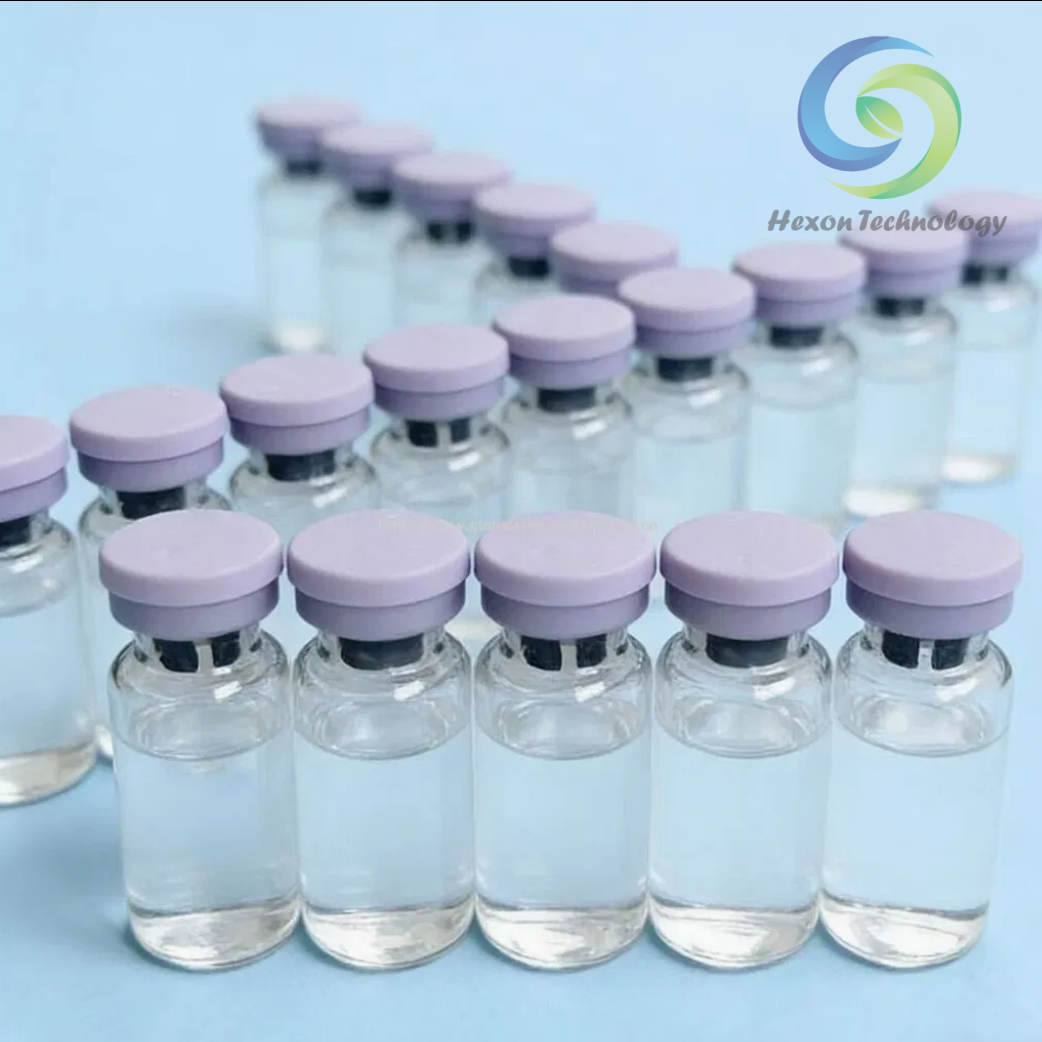
Fill is sterile water with 0.9% bacteriostatic agent at the standard level, sealed in a Type I glass vial with a stopper rated for repeated puncture. The extra headspace in a 10ml vial also makes pressure equalisation easier on withdrawal, which cuts the tendency for a vacuum to fight the syringe on later draws.
Key Benefits & Technical Advantages
Cost per millilitre: at the same fill quality, the larger vial spreads the cost across more reconstitutions, and the saving is real once monthly consumption passes a few vials.
One vial, many compounds: a single 10ml vial can serve a set of lyophilized vials prepared together, so lot tracking stays on one document instead of one per bottle.
Stopper resilience: the closure is chosen for frequent puncture, since a 10ml fill implies more draws before it empties.
Clear, particulate-free fill: inspected vial by vial before packing; haze shows up immediately against a dark background.
Traceable labelling: lot number and fill date are printed on the vial, matching the batch report.
Usage Scenarios
Clinics preparing a day's worth of doses in one session rather than vial by vial.
Labs running parallel groups, where each group's stock is diluted from the same preserved medium.
Staged dilution work, where a compound is stepped down through several concentrations from one starting solution.
Stockroom supply in facilities that order diluent quarterly and want fewer units to store and rotate.
Supply & Logistics
Vials ship vacuum-sealed with a batch report covering sterility, pH and fill volume. Room-temperature storage, out of direct light, upright. Not for intravenous or neonatal use; discard 28 days after first puncture.



 Your message must be between 20-3,000 characters!